Bookkeeping is the systematic recording and organizing of financial transactions within a business. It forms the backbone of financial recording processes, ensuring accuracy for financial statements and aiding in compliance with regulatory standards. As businesses grow, effective bookkeeping becomes crucial in maintaining transparency, budgeting, and preparing for audits, all of which are vital for strategic planning and decision-making.

Bookkeeping is the lifeline of transparent financial management in any business, enabling organizations to maintain accurate records of their financial activities. Whether it's tracking income, managing expenses, or maintaining logs for the movement of assets, bookkeeping provides the organization with a clear picture of financial health. This clarity not only informs day-to-day operations but also influences good strategic decisions necessary for sustainable growth.
As businesses evolve, the significance of their bookkeeping practices becomes increasingly pronounced. It acts as a foundation upon which financial decisions are made. An established bookkeeping system can help to identify trends in spending and revenue patterns, which can, in turn, influence marketing strategies and business expansion initiatives. The ability to produce timely and accurate reports ensures that a business can respond swiftly to both opportunities and challenges that arise in the marketplace.
At its core, bookkeeping involves recording all financial transactions made by a business. This includes sales, purchases, receipts, and payments. The primary bookkeeping documents include the ledger, the journal, and financial statements such as balance sheets and income statements. Each of these components plays a vital role in maintaining the integrity of financial information.
Furthermore, understanding double entry bookkeeping is essential for businesses of all sizes. This system records every transaction in two accounts: a debit and a credit, ensuring that the books always balance. For example, when a company makes a sale, it increases assets (cash or accounts receivable) and also increases equity (sales revenue). This dual aspect helps catch errors and provides a detailed view of how every financial action impacts the company’s overall financial health.
In recent years, the shift from traditional pen-and-paper methods to digital solutions has transformed bookkeeping. Digital bookkeeping software such as QuickBooks, Xero, and FreshBooks streamline processes, reduce errors, and provide real-time financial data access. These platforms offer functionalities such as automated entries, reconciliation features, and reporting tools that save time, improve accuracy, and provide insights that were previously unattainable with manual systems.
Digital bookkeeping has also facilitated remote work and collaboration. With cloud-based solutions, multiple users can access financial data concurrently, enabling teams to collaborate across different geographical locations. This flexibility allows businesses to remain agile and responsive in a rapidly changing environment. Moreover, these platforms often integrate with other business software, such as customer relationship management (CRM) systems and e-commerce solutions, further enhancing the workflow and data consistency across different departments.
For growing businesses, the complexity of financial transactions increases, making efficient bookkeeping even more critical. Small enterprises might cope with basic accounting software, but as they expand, they often require more comprehensive systems that can handle more complex processes like payroll, international transactions, and various tax regulations.
It’s essential for businesses in growth phases to conduct a careful assessment of their bookkeeping needs. This involves evaluating current practices and identifying areas for improvement. Are existing systems scalable? Do they provide sufficient reporting capabilities for strategic decision-making? Are there features that can support better cash flow management? Assessing these questions can guide the selection of a bookkeeping solution that aligns with the organization’s future goals. Furthermore, businesses should consider investing in specialized services when entering new markets or regions, as understanding local financial regulations can be pivotal to successful operations.
| Software | Features | Pricing |
|---|---|---|
| QuickBooks | Automated bookkeeping, tax planning, payroll management, multi-currency support | Subscription plans starting from $20/month |
| Xero | Expense tracking, invoicing, inventory management, project tracking | Monthly plans starting from $11/month |
| FreshBooks | Time tracking, customizable invoices, project management, financial reports | Plans starting from $15/month |
To maximize the effectiveness of bookkeeping, businesses should adhere to top practices, such as:
Regular training and professional development opportunities for bookkeepers can enhance their skills and help them familiarize themselves with the latest bookkeeping tools and practices. As technology advances, staying updated is critical for maintaining a competitive edge.
Bookkeepers should have strong organizational skills, attention to detail, mathematical proficiency, and familiarity with bookkeeping software. A basic understanding of accounting principles and financial regulations is also crucial. Communication skills are equally important, as bookkeepers often need to explain financial concepts to non-financial stakeholders within the organization.
Financial reconciliation should ideally be conducted monthly to coincide with bank statements, though some businesses benefit from more frequent reconciliations for tighter financial control. High-volume businesses, or those with significant cash flow fluctuations, may find weekly or bi-weekly reconciliations beneficial. Establishing a consistent reconciliation schedule can also help identify discrepancies and prevent potential errors from propagating over time.
Bookkeeping provides the detailed financial records required for audits, ensuring that all transactions are accounted for and traceable. This transparency is vital for both internal audits and external reviews by regulatory bodies. A well-maintained set of books allows auditors to evaluate financial statements accurately and ultimately can lead to an audit result that favorably reflects the organization's financial health.
To ensure compliance with financial regulations, businesses should establish clear policies and procedures regarding their bookkeeping practices. Regular training for employees on compliance issues, including updates to tax laws and accounting standards, is essential. Consulting with a certified public accountant (CPA) can also provide guidance in establishing compliance protocols and ensuring that the business adheres to necessary regulations, reducing the risk of penalties.
The future of bookkeeping is intertwined with advances in technology. Automation, artificial intelligence, and blockchain are expected to further enhance accuracy, efficiency, and security in financial data management, providing unprecedented levels of insight and oversight.
As artificial intelligence continues to evolve, it can reduce the time spent on repetitive tasks while increasing accuracy. AI can assist in data entry, generate financial forecasts, and even analyze historical data for trends that can inform future decisions. Blockchain technology has the potential to revolutionize bookkeeping by providing an immutable ledger that ensures accuracy and transparency of transactions, drastically improving trust among stakeholders.
Moreover, many businesses are anticipated to adopt a hybrid approach, combining traditional bookkeeping methods with modern innovations. This will enable them to leverage the advantages of both systems—utilizing experienced professionals for critical decision-making and advanced software for routine tasks. The emergence of remote accounting teams will also facilitate increased flexibility, allowing businesses to assemble the best talent, regardless of geographical limitations.
In conclusion, mastering bookkeeping is crucial for any business aiming to grow and succeed in today's competitive marketplace. By leveraging the right tools and strategies, businesses can ensure their financial processes remain robust, accurate, and conducive to good success. As the financial landscape continues to evolve, staying forward-thinking in bookkeeping practices will be essential for long-term sustainability and profitability. Investing in bookkeeping now sets the stage for future growth and opens the door to new opportunities.
Uni Tms: Industry Insights and Procurement Guide

Uni Tms: Supplier Insights and Practical Buying Guide

Uni Tms Overview for Procurement and Compliance

Uni Tms: A Practical Guide for Operations Optimization

Understanding Uni Tms for Modern Operations

Uni Tms: Technical Overview and Supplier Considerations

Uni Tms: Enterprise Logistics Management Insights

Uni Tms Guide for Reliable Operations and Planning
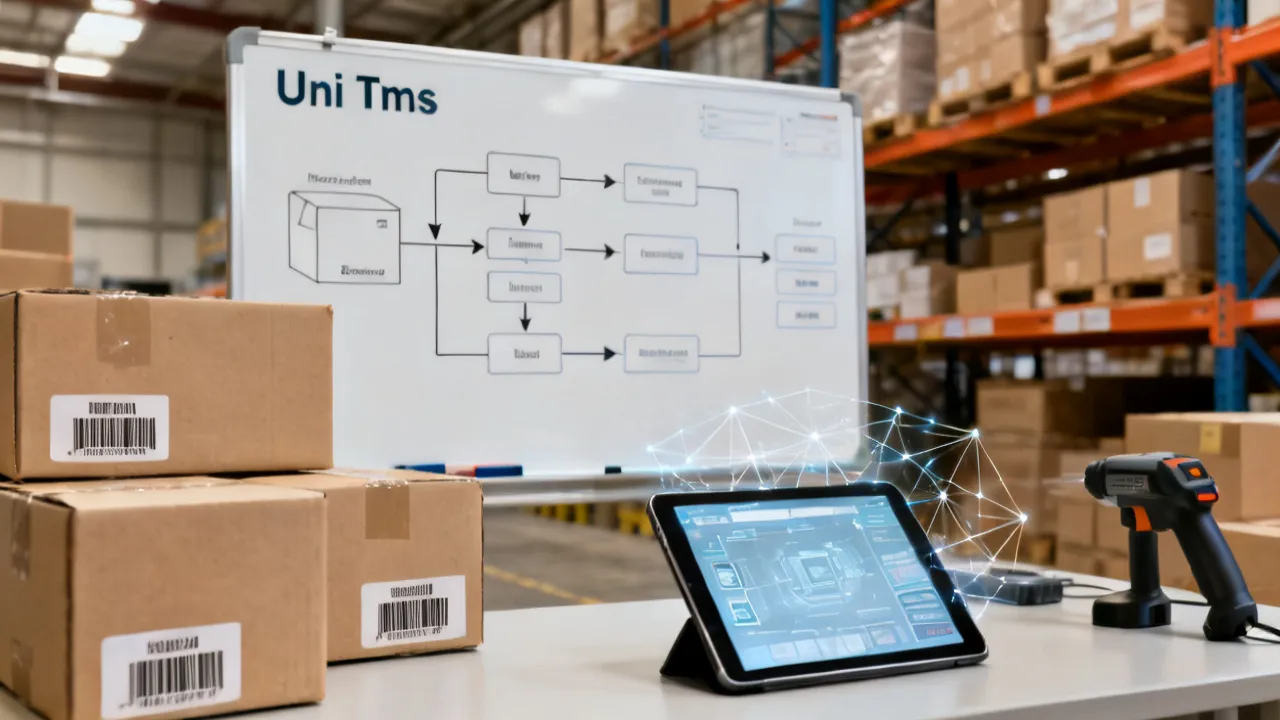
Uni Tms: Internet Provider Options Compared


Fleetgenius for Smarter Fleet Operations Decisions
Fleetgenius helps fleet managers organize data, improve operational visibility, and support more consistent decision-making across vehicles, drivers, and maintenance workflows. This guide explains what “Fleetgenius” typically represents in fleet technology, the kinds of capabilities fleet teams compare, and how to evaluate vendors objectively for fit, implementation effort, and good operational value.

Fleetgenius Guide for Smarter Fleet Management Decisions
This guide explains how Fleetgenius supports smarter fleet management decisions across operations, compliance, and maintenance planning. Objectively, fleet management involves coordinating vehicles, drivers, and service workflows, while software platforms often centralize telematics, scheduling, and reporting. The article also outlines practical evaluation criteria, supplier considerations, and operational conditions to help organizations compare implementations responsibly.

Fleetgenius Guide for Smarter Fleet Operations
Fleetgenius helps organizations plan, track, and manage fleet operations with a data-informed workflow. This guide explains what Fleetgenius is from an objective standpoint, outlines typical fleet management needs, and connects capabilities such as telematics-style visibility, dispatch workflows, and performance review to operational decision-making—without relying on unverifiable claims or price assumptions.

Fleetgenius for Smarter Fleet Operations
Fleetgenius helps fleet organizations standardize maintenance, improve operational visibility, and support smarter decision-making across vehicles. This guide outlines the objective background of fleet management software concepts—telematics, maintenance workflows, compliance tracking, and reporting—then explains how teams typically evaluate tools like Fleetgenius to align workflows, costs, and supplier capabilities.

Fleetgenius Guide for Smarter Fleet Operations
Fleetgenius supports smarter fleet operations by bringing planning, tracking, and performance insights into a single workflow. This guide explains what Fleetgenius is in an objective, background-focused way—covering why fleets adopt centralized tools, how suppliers typically structure pricing, and what evaluation criteria teams should use to compare options responsibly.

Fleetgenius for Smarter Fleet Operations and Planning
Fleetgenius can help organizations streamline routing, compliance visibility, and day-to-day fleet decisions using a centralized operations view. This guide provides objective background on fleet-management workflows, what “fleet intelligence” typically covers, and how teams evaluate software providers. It also outlines practical selection conditions, requirements, and common implementation considerations for logistics and mixed vehicle operations.
