Sightsavers Truckers are a logistics-focused approach that supports inclusive vision health and community outreach through mobile delivery and reliable partnerships. This guide explains what the term typically covers in the nonprofit transport ecosystem, how supplier collaboration works, and what organizations commonly require when planning routes, packaging, and service standards.
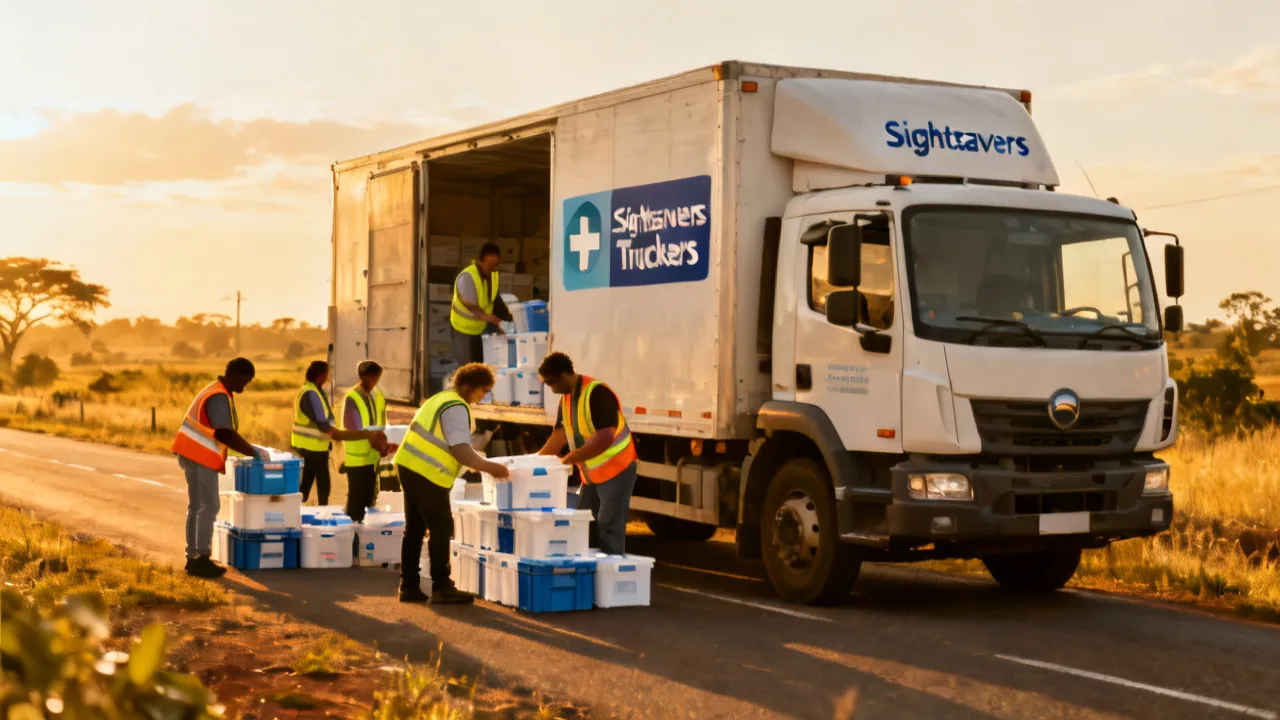
Sightsavers Truckers refers to a truck-based, field-oriented logistics model used to help deliver supplies, support outreach schedules, and strengthen last-mile service reliability for vision and community health initiatives. In practice, this kind of operation is judged less by marketing and more by disciplined planning: route timing, chain-of-custody for sensitive materials, vehicle readiness, and supplier accountability—so that programs arrive on schedule and can be used safely by partners in the field.
Because humanitarian and public-health logistics sit at the intersection of mobility, risk management, and service delivery, organizations typically treat trucking as a “system,” not a standalone service. When that system works, it reduces stock-outs, stabilizes outreach calendars, and supports continuity across regions with variable road access.
In many organizations, the term “Sightsavers Truckers” is used as shorthand for a broader operational expectation: that a logistics provider (or program logistics unit working with vendors) will do more than drive. It will coordinate handoffs, maintain integrity of goods, manage documentation, and ensure that the final receiving step is operationally feasible for clinics, outreach teams, and warehouses.
That is why the phrase “mission-ready logistics” is important. It implies a logistics capability that can withstand real-world uncertainty—seasonal rainfall, road closures, vehicle breakdowns, and shifting field schedules—without allowing these disruptions to cascade into missed sessions, unusable supplies, or untraceable inventory.
Trucking in health programs can appear straightforward at first glance: a truck picks up goods, transports them, and delivers them. However, for health and vision initiatives, the “goods” often include time-sensitive consumables, precision equipment, and materials that must match service calendars (for example, supplies required for a certain outreach day or clinic session). If any part of the logistics system fails—packing, dispatch documentation, receiving readiness, or proof-of-delivery—service delivery can be disrupted even when trucks were physically available.
In other words, Sightsavers Truckers-style logistics is ultimately evaluated at the level of outcomes like “service can start on time with correct, usable supplies,” rather than at the level of “a vehicle arrived at some point.” Logistics professionals and program managers therefore pay close attention to operational discipline: the details of routing, verification steps, escalation paths, and accountability during handoffs.
While the phrase is strongly associated with mission-driven logistics under the Sightsavers umbrella, the underlying concept is broadly familiar across health and development contexts: transport assets (trucks, drivers, storage handling, and routing) are coordinated with program teams and suppliers to move operational materials to where they are needed.
In a practical operational sense, “Sightsavers Truckers” implies that the logistics process is designed around service delivery realities. The truck schedule is not independent of the outreach schedule. The loading plan is not independent of packing standards. The delivery time is not independent of receiving capacity. The documentation is not independent of traceability or audit requirements.
In an industry context, trucking for health programs generally includes:
That objective framing is important: a truck can only “do the job” if the broader supply chain and receiving workflow are equally designed. This is where supplier capability and contract expectations become central. A truck is an asset; a logistics system is the process that makes the asset effective.
To illustrate, consider a scenario where a clinic expects a delivery on a Tuesday morning to prepare for an outreach session that same afternoon. If the trucking provider arrives late due to a route plan that did not account for road conditions, the clinic’s staff may already be engaged elsewhere. Even if the goods are delivered later, the clinic might be unable to verify and store them properly before services begin. In mission-ready logistics, such risks are addressed through buffers, reliable ETAs, escalation mechanisms, and a clear discrepancy-handling process.
From a logistics professional’s standpoint, the performance of Sightsavers Truckers-style operations is top understood through operational KPIs and governance. Rather than relying on anecdotal outcomes, experienced programs set expectations across four categories:
These categories help explain why procurement and logistics planning cannot be separated. A lower-cost supplier that cannot meet receiving windows or documentation expectations can create downstream failure even if the upfront “price” appears attractive. In health logistics, the true cost of failure can be severe: wasted training days, missed sessions, emergency resupply at higher rates, or compliance risk due to poor traceability.
Many organizations therefore adopt a balanced evaluation approach rather than a single “lowest bid” mentality. For example, a provider might quote a competitive rate but repeatedly arrives with incomplete paperwork. Over time, these documentation gaps become operational friction: receiving staff spend extra time reconciling, discrepancies accumulate, and audits become more difficult.
Experienced logistics teams also treat governance as part of performance. That means having documented SOPs for dispatching, receiving, discrepancy recording, and escalation. It means tracking incidents and corrective actions. It means verifying that drivers and handlers follow approved procedures rather than relying on experience alone.
Finally, the “mission readiness” aspect means that the operation should be resilient. Resilience includes the ability to reroute if roads are closed, to coordinate alternative delivery points, and to keep the integrity of goods intact even when standard schedules are disrupted.
In practice, supplier coordination for mission logistics usually spans three layers: the trucking provider, the goods supplier (or procurement unit), and the receiving partners (clinics, community outreach teams, or warehouse staff). For Sightsavers Truckers-type operations, the very common coordination issues arise in handoffs.
Industry-appropriate supplier criteria typically include:
Because outreach programs can be calendar-sensitive, suppliers are often evaluated on responsiveness rather than only baseline cost. When routes shift due to weather or access constraints, a supplier’s ability to re-plan quickly becomes a cost driver—either positively (preventing missed outreaches) or negatively (creating emergency resupply).
To coordinate effectively, many organizations formalize collaboration into practical operating agreements. These agreements clarify who is responsible for each step and what information is required before each step can start. For example:
When these roles are not clearly defined, deliveries may happen but “successful receiving” does not occur. Operationally, that can lead to time-consuming back-and-forth: incomplete counts, unclear responsibility for damaged items, and delays in reconciling inventory.
In mission logistics, the goal is to eliminate ambiguity. Supplier collaboration therefore includes not only technical requirements but communication protocols: who notifies whom, when notifications should happen, how discrepancies should be recorded, and what triggers escalation.
Health-related trucking is often constrained by practical “last-mile” conditions: road surfaces, bridge limits, seasonal rainfall, and the availability of receiving points. For destinations described as nearby in this guide, the operational nuance is similar: even when communities are relatively close, transport reliability depends on local access patterns and the ability of receiving teams to prepare drop-off locations.
In many regions, the very effective approach is to treat “nearby” as a planning band rather than a fixed distance—meaning organizations set operational buffers for travel time, verification steps, and unloading staffing. This prevents avoidable delays when outreach teams are already scheduled in nearby settlements.
Consider two deliveries that are each 30 km away from a staging point. On paper, they may seem similar. In reality, one road might be paved and passable year-round, while the other might have a narrow bridge that restricts vehicle type or a stretch that becomes muddy during rainy periods. In such cases, the “nearby” label can mislead planners if they treat it as a purely geometric measure. Mission-ready logistics treats “nearby” as a set of access conditions and operational constraints.
Last-mile realities also include human factors. Receiving partners might be at the site only for certain hours. Unloading might require assistance from local staff, and there may be constraints around storage space and security. A delivery that arrives when receiving staff are unavailable effectively becomes an “unfinished delivery,” even though the truck physically reached the destination.
Therefore, the best “nearby” planning practices generally include:
In Sightsavers Truckers-style operations, route planning is therefore not just about the fastest path. It is about predictable arrival in a way that supports receiving and minimizes service interruptions.
Requests involving “price” in logistics typically raise a key question: are you comparing unit costs (per trip, per km, per pallet) or total cost of service (including documentation, handling, storage needs, and delay risks)? For mission-driven trucking, the total cost of service often matters more than the headline rate.
Even without a universal, single “price list” for Sightsavers Truckers-style operations (because pricing depends on vehicle class, distance, loading requirements, and local regulations), budgeting normally includes:
Industry top practice is to clarify what a quoted price includes and what it excludes. For example, a lower price may exclude return trips, insurance, security checks, or re-delivery costs after failed receiving attempts.
For verifiable benchmarks, logistics providers commonly reference reputable industry methodologies and public guidance from sector bodies; however, pricing itself remains contract-specific. Programs should avoid publishing unverified “rate cards” unless they are based on confirmed quotations or published procurement documents.
Budgeting should also include an honest view of risk. When roads become unreliable, the risk of late delivery increases. When documentation processes are weak, the risk of discrepancies and additional reconciliation time increases. These risks translate into operational costs even if the contract rate remains unchanged.
For example, a provider that arrives late might require additional coordination time from program staff. Receiving staff might have to redo counts or verify items more carefully after delayed arrival. If damage occurs due to poor packaging or inadequate securement, the organization might need replacement items and additional logistics to redistribute them. These are real costs that should be considered in “total cost of service.”
Although each program differs, the operational rhythm is usually consistent: plan → stage → dispatch → receive → reconcile. Below is how experts typically structure that flow for health and humanitarian supply movements.
1) Demand consolidation and staging
Program teams forecast outreach needs (equipment, consumables, logistics supplies), then consolidate demand into staging batches. Staging is where documentation accuracy is highest value—because it sets up smoother loading and proof-of-delivery.
In well-run operations, staging includes more than collecting boxes. It typically includes:
Staging also helps reduce “last-minute substitutions.” If a team realizes too late that a particular item is missing, the delivery might proceed without it, requiring partial distribution or later corrections. Staging discipline reduces these failures by catching issues earlier.
2) Route planning and timing windows
Dispatch schedules are aligned to outreach calendars and realistic travel buffers. When destinations are described as nearby, the planning often focuses on receiving window feasibility (e.g., whether partner teams can receive loads at specific hours).
Route planning in this context commonly includes:
Another important component is the sequence of deliveries. If multiple drop-offs are planned, the order often reflects receiving readiness. A receiving partner that is available only in the morning might be prioritized before a partner that can receive later.
3) Vehicle readiness and safety checks
Trucks are inspected (tyres, brakes, lights, tie-down points). Cargo securing protocols are validated before departure.
Vehicle readiness is a central operational risk control. A single mechanical issue can cause a late delivery, and late deliveries can trigger a chain reaction: staff shift schedules, receiving teams are reorganized, and the program may have to postpone or scale down service sessions.
In mature systems, readiness checks also include:
4) Secure loading and integrity controls
Goods are loaded according to agreed packing instructions—especially for sensitive items. Packaging should prevent movement within boxes and reduce exposure to dust or moisture.
Secure loading involves both the mechanical and procedural aspects. Mechanically, goods must be restrained to prevent shifting during transport. Procedurally, loading must follow an agreed structure so that receiving teams can verify and unload efficiently.
Integrity controls can include:
5) Dispatch documentation and communication
A complete load manifest is prepared, and communication channels are established for route updates. This is where delays can be mitigated by timely alerts.
Documentation typically includes item lists, quantities, batch/serial identifiers, and delivery contact details. Communication protocols might include a dispatcher’s routine to send ETA updates at defined checkpoints along the route.
In Sightsavers Truckers-style operations, dispatch documentation is not just an admin requirement; it is the enabling mechanism for safe receiving. Without a complete manifest, receiving teams cannot easily verify that the items match what they expected.
6) Delivery, verification, and receipt handling
Receiving teams verify items against manifests. Any discrepancies are recorded in real time so reconciliation does not become an after-the-fact dispute.
Receipt handling is often where logistics becomes “real work.” Receiving teams need a defined workflow so they can count, check identifiers, and record results consistently. Mature practices include:
If documentation is incomplete or if receiving verification is not possible, receiving staff might accept the goods under uncertainty, increasing the risk of unresolved discrepancies later.
7) Reconciliation and reporting
Proof-of-delivery, damage notes, and batch/serial logs are reconciled. This supports audit readiness and future planning improvements.
Reconciliation ensures that the logistics record matches physical reality. It enables inventory updates and supports accountability. It also supports operational learning: if a specific item type is frequently damaged or if certain routes repeatedly cause late deliveries, these issues can be addressed with process changes.
Reconciliation typically results in:
To supplement the operational narrative, the following table contrasts common logistics arrangements used in trucking-based program delivery—focused on how organizations structure requirements and what “assurance” typically looks like. (No website links are included.)
| Logistics arrangement (for trucking delivery) | Primary source of assurance | Conditions / requirements commonly used |
|---|---|---|
| Contracted haulage for scheduled routes | Service-level agreement (SLA) terms and proof-of-delivery records | Defined pickup/delivery windows; load manifest accuracy; documentation standards; escalation contacts for delays |
| Program-managed fleet with vendor support | Internal SOPs and vehicle inspection logs | Driver certification records; periodic maintenance logs; standardized packing instructions; security and handling protocols |
| Third-party logistics (3PL) coordination | Audit trails across receiving, staging, and handoff steps | Inventory reconciliation methods; agreed temperature/handling controls where needed; packaging compliance checks |
| Hybrid model (trucking provider + receiving partner coordination) | Joint receiving verification process and discrepancy management | Clear receiving roles; time-bounded verification; damage reporting rules; re-delivery policy and cost allocation |
Conditions worth emphasizing: very “failure points” happen at handoff moments—when the receiving team expects a load at a certain time, but the truck arrives later or with incomplete documentation. That is why conditions/requirements in SLAs and SOPs are not administrative overhead; they are operational risk controls.
To make the table practically useful, it helps to understand what “assurance” means for each arrangement:
Trucking systems—such as those associated with Sightsavers Truckers—often play a role in enabling access to services. Vision and community health work typically depends on both outreach scheduling and the timely presence of supplies and equipment.
For mission-driven organizations, transport logistics supports broader goals like consistent availability of health resources, improved continuity between program rounds, and better coordination between field teams and central procurement. While trucking alone does not “produce” outcomes, it can reduce friction that otherwise prevents services from running as intended.
It is common to see health and community organizations experience a “supply-service mismatch.” That mismatch can occur when outreach calendars move but shipments do not, or when shipments arrive but cannot be received properly due to staffing constraints. In such situations, logistics is not a background activity; it becomes a direct contributor to whether services can start on time.
When discussing outcomes, responsible practice is to avoid attributing health improvements solely to logistics. Instead, logistics is top framed as an enabler of program execution. That framing aligns with how many public-sector and NGO evaluations structure attribution—by identifying contribution rather than claiming exclusive cause.
One useful way to frame trucking’s contribution is to focus on continuity and reliability:
These contribution pathways are especially relevant in vision programs where equipment and consumables must be present in correct quantities and often in specific conditions. If an instrument set is incomplete or a consumable is expired or damaged, sessions may be reduced or rescheduled.
For readers seeking evidence-based context on logistics and supply chain performance, it is common for global bodies and logistics research communities to publish methodological guidance and operational benchmarks. In this article, care has been taken to avoid unverified claims or speculative performance statistics tied to specific organizations or regions. Where metrics are discussed, they are presented as evaluation categories rather than guaranteed numbers.
For general supply chain and humanitarian logistics methods, readers may consult internationally recognized sources such as guidance from the International Federation of Red Cross and Red Crescent Societies (IFRC) and research outputs from World Food Programme logistics and other humanitarian supply chain publications. These sources typically emphasize traceability, documentation quality, and risk management—principles that also map well to trucking operations supporting health outreach.
It is also worth emphasizing that logistics performance is highly context-dependent. Weather patterns, infrastructure quality, and local governance affect transport reliability. Even two organizations using similar trucking models can experience different results due to local access constraints. That is another reason mission-ready logistics focuses on governance and system design rather than on a promise of universal performance.
When organizations seek benchmarking information, they often aim to compare like-for-like elements: for example, on-time delivery within a defined window, documentation completeness at proof-of-delivery, and damage rate per shipment category. Comparisons are meaningful only when the evaluation definitions align.
In many settings, the difference between ordinary trucking and Sightsavers Truckers-style mission-ready logistics is visible in day-to-day decisions that might seem small but have outsized operational effects. These decisions include the choice of dispatch time, the specificity of packaging labels, the design of receiving workflows, and the clarity of escalation rules.
Mission-ready systems also encourage a culture where logistics issues are treated as operational risks rather than “unfortunate events.” That culture shapes how teams record problems, how they interpret trends, and how they drive corrective actions.
To make this more concrete, consider a series of typical operational questions that mission-ready logistics answers:
These questions may appear operational, but they drive governance. When answers are clear, teams can execute quickly and consistently, reducing time wasted on confusion.
In trucking for vision and community health initiatives, documentation is often misunderstood as an administrative burden. In mission-ready logistics, documentation is treated as an integrity safety tool.
Chain-of-custody refers to the documented record of who had possession of goods, when, and under what conditions. In practical terms, it supports:
For example, if a box of consumables is missing from a delivery, a strong chain-of-custody record helps determine whether the box was never staged correctly, whether it was lost during loading, or whether it was misplaced at the receiving point. Each scenario implies different corrective actions.
Similarly, if an equipment case arrives damaged, documentation and proof-of-delivery records support decisions about whether the item can be used, whether it requires inspection, or whether replacement is needed. Without clear documentation, programs may hesitate to use equipment due to uncertainty, causing delays.
In mature Sightsavers Truckers-style operations, documentation practices include not only paperwork but procedural checks at key points:
Vehicle readiness is often treated as a checklist task—inspect tyres, brakes, and lights, then proceed. Mission-ready logistics requires that these tasks translate into reliability outcomes.
Trucks can suffer “silent failures”—conditions that might not prevent the truck from starting but can cause breakdowns en route. A vehicle might appear operational but develop problems during the journey due to inadequate maintenance, tire wear, or brake issues. When journeys are scheduled around outreach sessions, breakdowns can cause late deliveries and downstream service disruptions.
Mission-ready operations therefore emphasize discipline in two areas:
Additionally, driver conduct influences readiness and safety. Drivers who follow speed and load securing practices reduce accident risk and also reduce damage due to shifting loads. Therefore, training and compliance are part of logistics performance.
In Sightsavers Truckers-style systems, safety discipline is not separate from mission delivery discipline. Safety failures are logistics failures because they interrupt schedules and create risk to personnel and goods.
Handling and packaging determine whether supplies arrive intact and usable. In health initiatives, damage prevention is both a cost management issue and a service continuity issue.
Damage can occur in multiple ways:
Mission-ready logistics uses packaging and handling standards to reduce all these risks. Packaging competence also includes correct labeling so that receiving teams can verify quickly without excessive re-handling.
In practice, mission-ready packaging standards often cover:
Handling discipline is equally important. Securement practices prevent movement during transport, especially on unpaved roads. Secure loading also makes unloading more predictable: fewer items shift, which reduces the chance of damage and reduces verification time.
When damage does occur, mission-ready logistics ensures immediate documentation at receipt so that:
Many organizations focus heavily on dispatch and less on receiving. Mission-ready logistics flips that emphasis. Receiving is where the logistics “turns into service.” If receiving is slow, disorganized, or unprepared, the delivery might be technically successful but operationally insufficient.
Receiving workflows typically require:
In remote settings, receiving might also require local coordination for physical unloading, storage space preparation, and security. Therefore, receiving partner readiness is part of the logistics system design.
To support receiving, mission-ready trucking systems often schedule delivery windows that reflect realistic receiving capacity. This means the receiving partner is not expected to absorb the entire verification burden while also preparing for immediate service sessions.
When deliveries are expected “nearby,” the receiving readiness challenge remains. Short distance can increase assumptions of speed and reliability, but receiving teams still require time for verification and storage decisions.
In a strong system, receiving partners and trucking providers have pre-agreed processes so that receiving can be executed quickly and consistently. This is a key reason why SOPs and SLAs are not administrative overhead—they are operational risk controls.
No logistics system is immune to disruption. Mission-ready systems are designed not only to avoid disruptions but also to recover effectively when they occur. Escalation processes—who decides, who contacts partners, and when actions are triggered—are central to that recovery.
Common disruption scenarios include:
When disruptions occur, mission-ready logistics uses escalation rules to reduce uncertainty. For example, a late delivery might trigger an escalation call after a defined time threshold. Alternatively, a receiving partner might be notified early with updated ETAs so they can adjust their plan.
Effective escalation also reduces the risk of “silent failure,” where a delivery is delayed but partners assume it is still on time until too late. That kind of silent failure leads to missed service opportunities and frustration between stakeholders.
To support escalation, supplier contracts and operational agreements often specify:
Operational metrics are essential for making Sightsavers Truckers-style logistics a governed system. Governance means that performance is measured, reviewed, and improved—not only recorded.
KPIs commonly include:
In addition, many programs adopt qualitative governance mechanisms. These include post-delivery reviews with trucking providers and receiving partners, root-cause analyses for repeated failures, and corrective action plans with clear owners and timelines.
Continuous improvement also depends on learning from “near misses.” For example, a delivery that arrived late by 30 minutes might not have caused service disruption on that occasion, but it indicates that the buffer was too small or route planning underestimated travel time. Mission-ready logistics uses these signals to refine planning assumptions.
In this way, trucking becomes a system that evolves. The system becomes more predictable over time, which in turn improves field-level confidence and execution.
To further clarify why Sightsavers Truckers-style logistics matters, it helps to examine common failure modes and how a disciplined system mitigates them. The goal is not to assign blame, but to understand process risks.
Failure mode 1: Late arrival due to route underestimation
Mitigation: define buffer times, perform route verification where possible, use local knowledge, and maintain frequent ETA updates. Escalate early if the truck will miss the window.
Failure mode 2: Delivery arrives but receiving cannot verify quickly
Mitigation: confirm receiving staff availability, provide tools, standardize verification workflow, and schedule delivery windows aligned with receiving capacity.
Failure mode 3: Documentation mismatch
Mitigation: enforce manifest accuracy at staging, validate labels before dispatch, and require complete proof-of-delivery forms and discrepancy recording at receipt.
Failure mode 4: Damage due to poor securement or packaging
Mitigation: enforce packaging standards, secure loading protocols, verify tie-down points, and document damage immediately for corrective action and replacement planning.
Failure mode 5: Partial acceptance without clear rules
Mitigation: define acceptance rules, tolerance levels, and discrepancy resolution processes so that partial deliveries do not become unresolved disputes.
Failure mode 6: Weak contingency plans
Mitigation: define re-delivery or alternative route policies, allocate contingency capacity, and establish escalation triggers and decision authority.
These mitigations reflect a core mission-ready principle: logistics should be designed to prevent failures from cascading. Predictable delivery windows, predictable item integrity, and predictable reconciliation are the operational outputs of a governed logistics system.
From the perspective of program managers and procurement professionals, Sightsavers Truckers-style logistics requires attention to contract detail and operational feasibility. Procurement decisions shape operational behavior. If contract language is vague, operational teams might improvise under pressure, leading to inconsistency.
Procurement considerations often include:
Program managers, for their part, need to ensure internal alignment. They must confirm that receiving partners are prepared, that program schedules reflect realistic logistics, and that there is a clear response plan for discrepancies and damage.
When program teams are aligned, trucking providers can perform effectively. When program teams are misaligned—when outreach schedules assume deliveries that logistics cannot reliably provide—operational failure becomes likely.
Therefore, mission-ready logistics is a shared responsibility, coordinated through governance, communication, and clear expectations.
In practice, it describes a trucking-based logistics approach used to support mission delivery—moving supplies and enabling outreach schedules. The “value” is measured through reliability, safe handling, clear documentation, and coordinated receiving workflows.
Selection usually considers service reliability, safety practices, packaging/handling competence, documentation and proof-of-delivery procedures, and responsiveness during disruptions. Total cost of service and operational fit often matter more than headline transport rates.
Common requirements include a load manifest, pickup and delivery windows, receiving contact details, agreed packaging standards, any handling instructions for sensitive items, and a discrepancy reporting method. For audited environments, batch/serial traceability requirements may also apply.
Delays can be caused by inaccurate receiving windows, documentation mismatches, loading bottlenecks, road-access constraints, or partner communication gaps. Strong handoff SOPs and contingency planning reduce these risks.
Yes. “Nearby” often still requires realistic timing buffers due to road conditions, the availability of receiving teams, and the practicality of unloading at specific sites. Planning treats “nearby” as an access band with operational constraints, not only as a distance label.
Quality requirements commonly include cargo securement standards, damage prevention checks, proof-of-delivery documentation, and appropriate vehicle maintenance and inspection routines. Compliance expectations may include adherence to local transport regulations and safe driving practices.
Experts typically use a balanced score approach: on-time delivery, documentation accuracy, damage/incident rates, discrepancy resolution timelines, and the supplier’s ability to recover from disruptions while maintaining the integrity of goods and service schedules.
No universal standard price applies. Costs vary by vehicle type, distance, loading complexity, contract terms, and local regulatory and access conditions. Responsible budgeting focuses on total cost of service and the scope included in each quotation.
Receiving teams should confirm staff availability, unloading tools or space, a verification workflow (how items are counted and recorded), and a contact for immediate discrepancy handling. Clear readiness reduces dwell time and prevents missed delivery windows.
Effective measures include using the correct packing specifications, applying load securement practices, limiting unnecessary re-handling, maintaining clear loading instructions, and documenting any damage immediately at receipt so corrective actions can be planned.
Sightsavers Truckers-style logistics should be approached as a governed system rather than a simple vehicle rental. When suppliers and program teams align on conditions—documentation, handling standards, receiving workflows, and contingency planning—trucking becomes a stabilizing force for outreach operations. For decision-makers and procurement professionals, the goal is to create predictability: predictable delivery windows, predictable item integrity, and predictable reconciliation. That predictability is what ultimately enables field teams to execute their service plans with fewer interruptions and clearer accountability.
In mission contexts, the logistics system is part of program execution. It is how organizations translate plans into reality at the last mile—where timing, documentation, safety, and receiving readiness determine whether outreach sessions proceed smoothly and whether supplies arrive usable and traceable. A governed approach ensures that trucking performance is not treated as luck; it is treated as operational capability that can be measured, improved, and relied on.
How Sightsavers Truckers Support Community Health
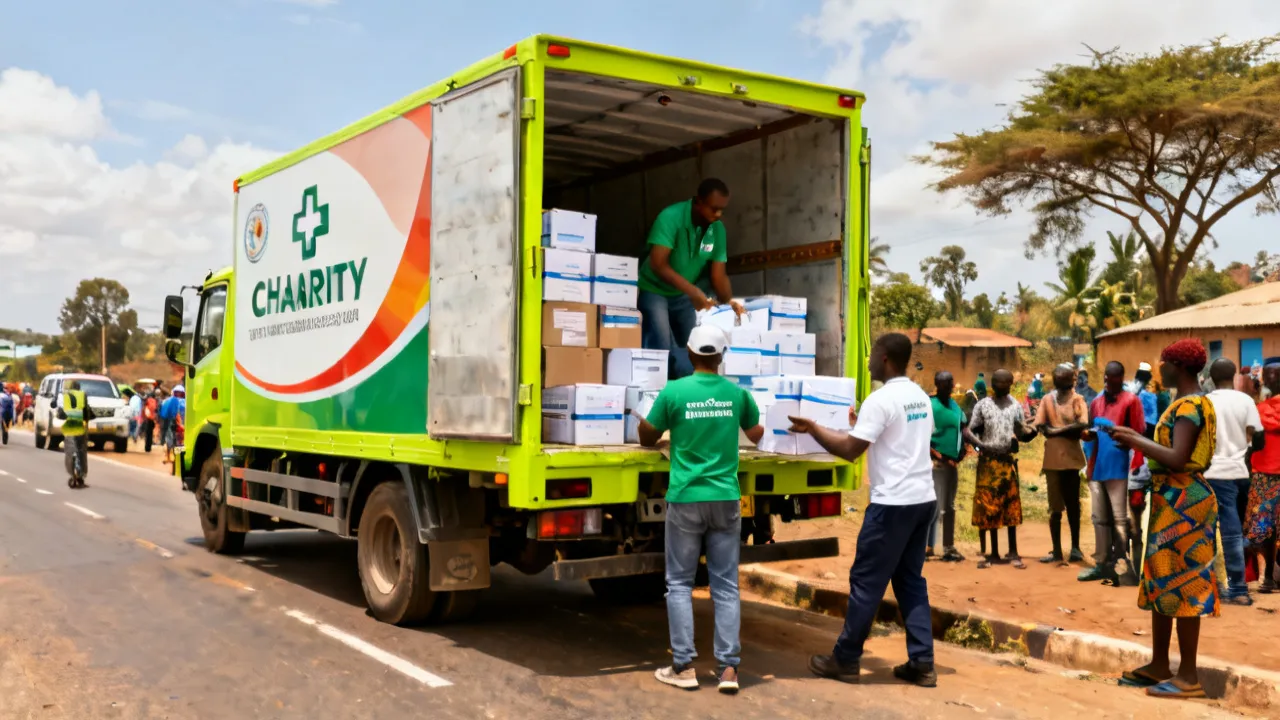
How Sightsavers Truckers Support Global Eye Care Logistics
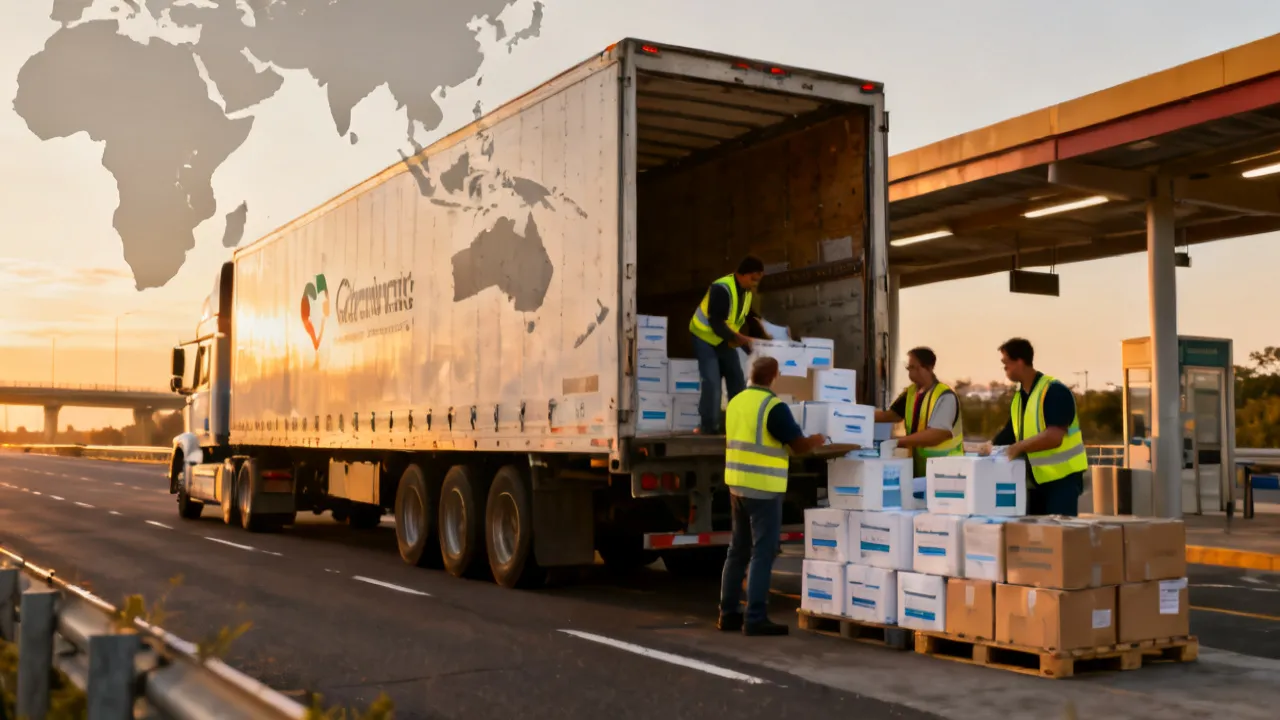
How Sightsavers Truckers Advance Eye Care Logistics
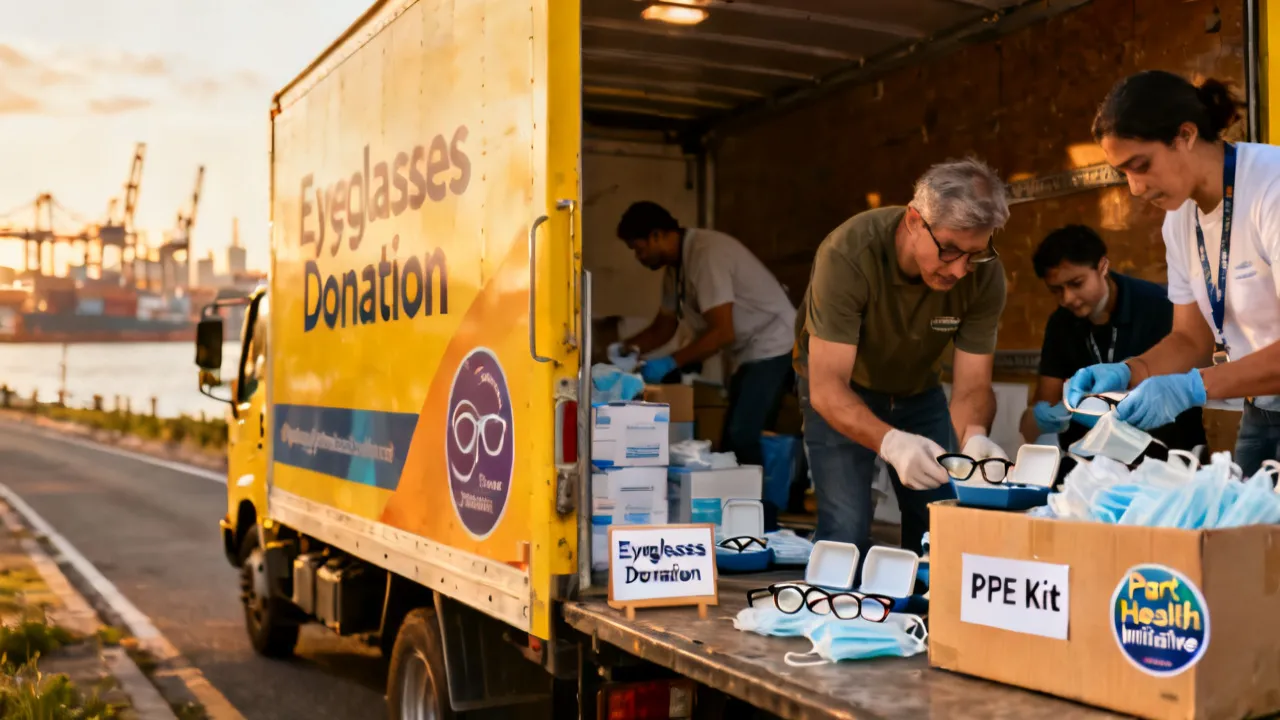
Understanding Sightsavers Truckers for Global Vision Aid
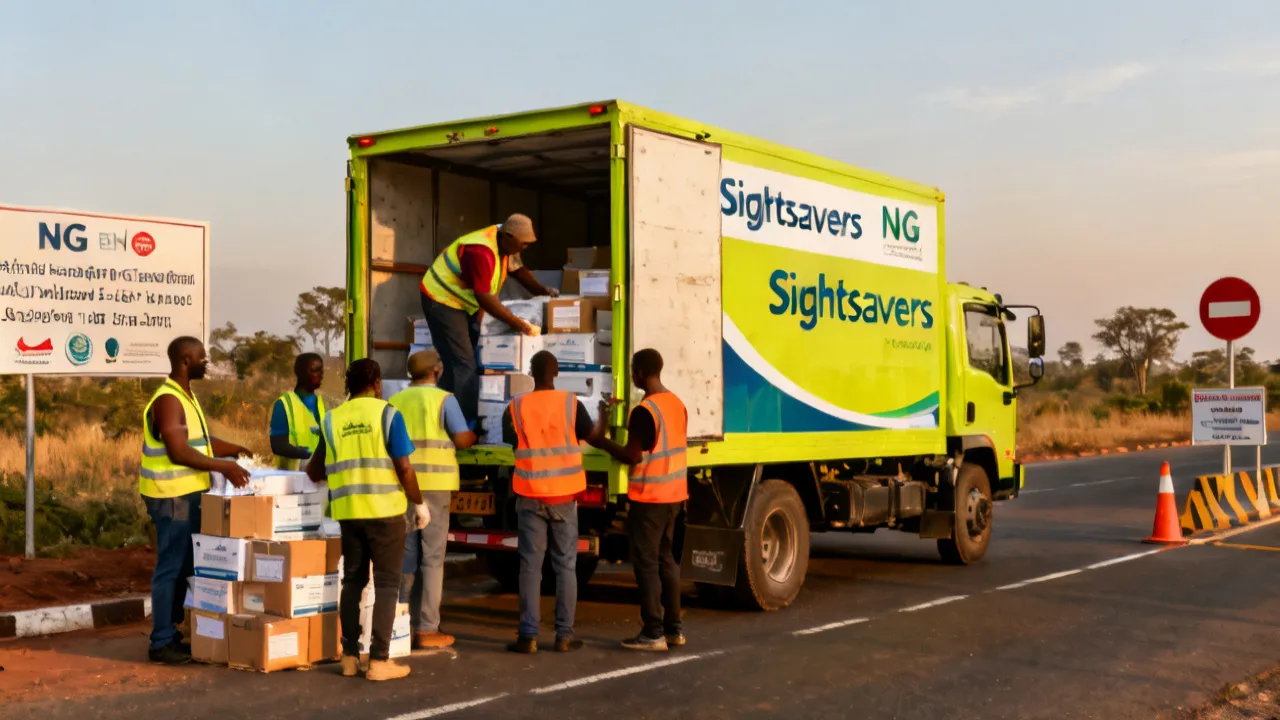
Understanding Sightsavers Truckers for Last‑Mile Impact
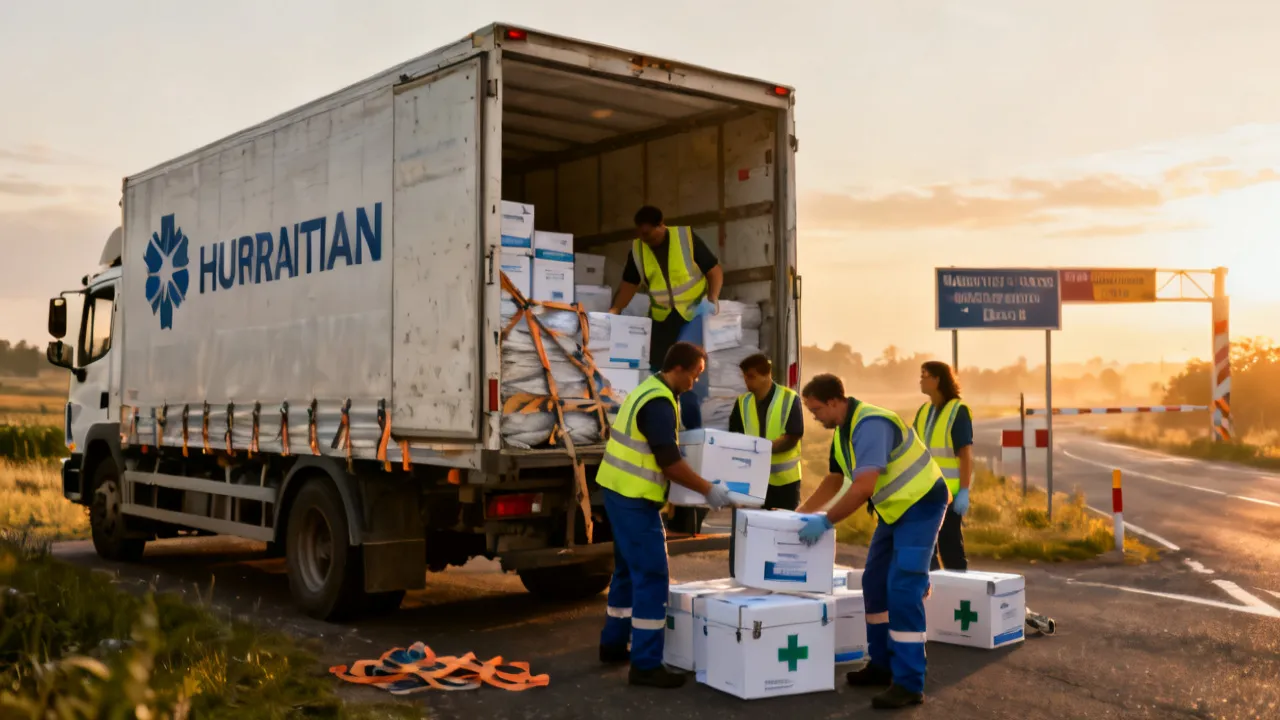
How Sightsavers Truckers Support Global Eye Health Logistics

Sightsavers Truckers: Impact, Operations, and Supplier Guidance
Sightsavers Truckers: How the Program Works

Sightsavers Truckers: Logistics Partnerships for Eye Health

How Sightsavers Truckers Support Community Health
Sightsavers Truckers are a practical way to extend eye-care and public-health services to hard-to-reach communities. This guide explains what these services typically involve and how road-based outreach fits into modern disability and health programs. It also provides a structured comparison of delivery approaches, supplier and operational considerations, and checklist conditions for stakeholders.
How Sightsavers Truckers Support Global Eye Care Logistics
This guide explains how Sightsavers Truckers strengthen eye-care delivery by coordinating practical transport and supply planning for remote communities. Sightsavers Truckers refers to a logistics-focused approach used by Sightsavers to move resources and enable vision support activities. The article provides an objective industry perspective on requirements, partner roles, and operational considerations.
How Sightsavers Truckers Advance Eye Care Logistics
Sightsavers Truckers strengthen access to eye-care services by improving how supplies, equipment, and outreach teams move to hard-to-reach communities. This guide explains what “truckers” means in the context of mission logistics and why route planning, partner coordination, and service quality matter. It provides an objective backdrop on the keyword themes and practical considerations for stakeholders.
Understanding Sightsavers Truckers for Global Vision Aid
This guide explains how Sightsavers Truckers support global vision and health programs through logistics, route planning, and partner coordination. “Sightsavers Truckers” commonly refers to branded trucking and transport operations connected to Sightsavers’ work. Background covers why freight reliability matters, what stakeholders typically require, and how organizations assess service performance in humanitarian health supply chains.
How Sightsavers Truckers Support Global Eye Health Logistics
This guide explains how Sightsavers Truckers strengthen eye-health and humanitarian supply chains by coordinating fleet operations, routing, and last‑mile delivery. The term refers to a logistics approach used by humanitarian partners to reach remote communities. Background context covers why transport reliability matters for prevention and treatment continuity, and how stakeholders align around planning and compliance.
Sightsavers Truckers: Impact, Operations, and Supplier Guidance
Sightsavers Truckers are a logistics-focused approach that supports inclusive vision health and community outreach through mobile delivery and reliable partnerships. This guide explains what the term typically covers in the nonprofit transport ecosystem, how supplier collaboration works, and what organizations commonly require when planning routes, packaging, and service standards.
