Vehicle Availability is the practical lens through which buyers assess what vehicles can be purchased now, at the right price and with appropriate condition details. This guide explains how to use official car trading platforms—such as cars.com, CarMax, Caronsale, and AutoTrader—to narrow options, confirm inventory status, and estimate total costs. It also covers decision checkpoints and common buyer questions.
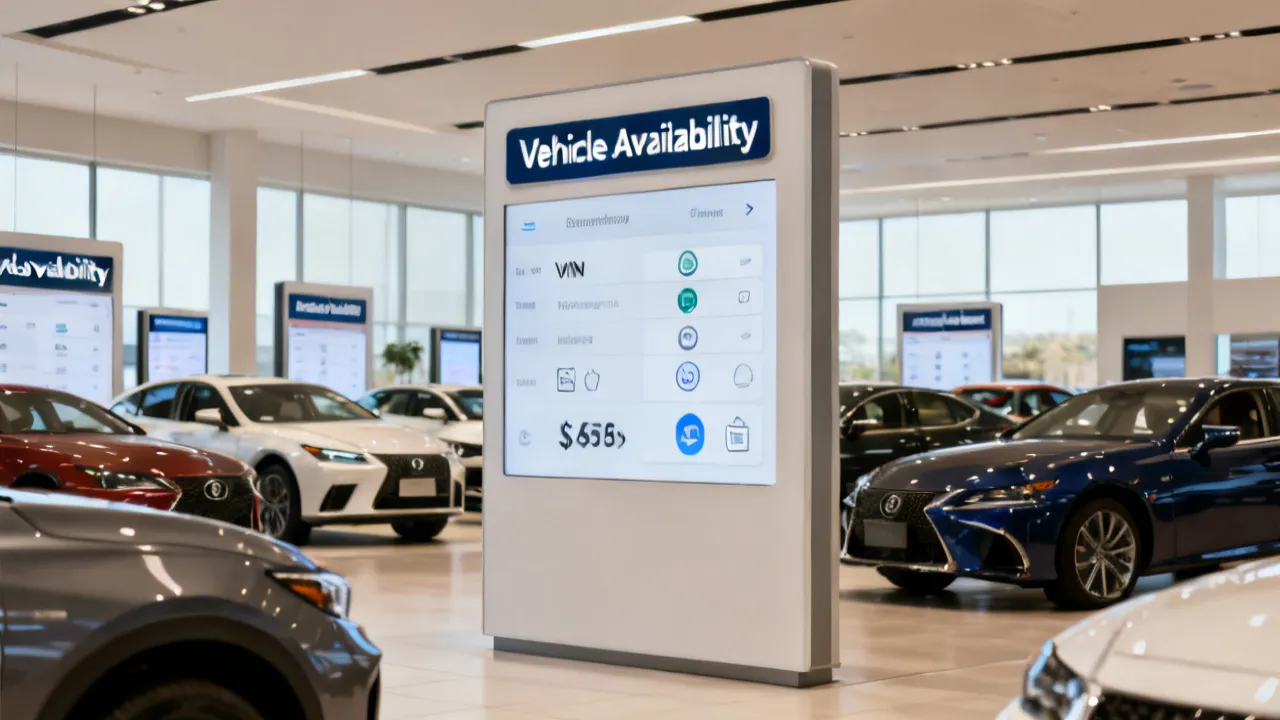
When shoppers talk about Vehicle Availability, they’re really describing what you can reliably purchase right now—without guessing. A strong availability check helps you avoid dead-end listings, match your preferred budget to real-time inventory, and compare vehicles on consistent details such as mileage, condition grading, and listing accuracy. In practice, “available” is not a vague label; it’s the result of inventory updates, dealer sourcing, and listing workflows on established car trading websites.
In other words, Vehicle Availability is the difference between browsing and shopping. Browsing is what you do when you’re still gathering options, learning what prices exist, and comparing general categories. Shopping starts when you know the car you’re looking at still exists in inventory, is still eligible to be shown, and can be purchased without having to “hope” that it hasn’t sold since you saw it. In most local markets, inventory turns quickly—sometimes within hours—so a listing that looks perfect in the morning can become a sold unit by afternoon. A buyer who starts by checking Vehicle Availability—then acts quickly—gets the best shot at a smooth deal.
Even if you have a great negotiating strategy, the negotiation can’t happen if the vehicle is no longer for sale. That’s why many experienced buyers treat availability like a gate: you don’t invest time until the platform and the dealer or seller confirm that the vehicle is truly open for viewing and purchase. When you do that consistently, you save time, avoid frustration, and reduce your risk of paying for a vehicle that wasn’t actually in the condition or location described.
In the used-car market, the fastest way to waste time is to chase a price tag that doesn’t match current stock. Availability impacts several buyer outcomes:
From an industry perspective, availability is also an indicator of operational maturity: platforms that synchronize dealer inventory with clear listing status usually reduce buyer uncertainty. While every website has occasional delays, the ones that invest in inventory syncing, dealer compliance, and listing controls tend to deliver more consistent status information. Buyers can use that consistency to compare apples-to-apples rather than mixing “available” listings with stale or inaccurate ones.
Another reason Vehicle Availability matters is that the “lowest price” you see online is often only one point on a moving graph. Suppose two similar cars are priced differently: one appears “cheap” because it’s older, has higher mileage, or has cosmetic wear; the other appears more expensive but includes warranty coverage, new tires, or recent maintenance. Availability determines whether you can actually verify those differences quickly. If the “cheap” one is gone or pending, you lose the chance to inspect it and you end up paying for the wrong option by default—usually the one that’s still available but not necessarily the best value overall.
Finally, availability impacts your leverage. When a vehicle sits on the lot for longer or is actively marketed, sellers may be more responsive. When a vehicle is newly arrived, the seller may price it higher and respond faster if you show intent. When a vehicle is pending, the negotiation window shrinks dramatically because the seller may not want to invest in extra scheduling or paperwork. That’s why availability is more than a convenience factor; it’s tied to timing, pricing power, and the probability of completing the transaction.
For buyers focused on current stock, using official or major marketplace websites is a practical baseline. Below is a short comparison of where to look for vehicles and how each site typically structures listings—use it as a roadmap before you start filtering by price, mileage, and vehicle condition.
| Platform | How to use it for Vehicle Availability | Typical buyer focus |
|---|---|---|
| cars.com | Use inventory search and apply filters for price, distance, and condition to see what’s currently listed | Broad selection and cross-dealer comparisons |
| CarMax | Browse car listings with a strong emphasis on in-stock vehicles and dealership-provided details | Transparent sourcing and shopping convenience |
| Caronsale | Review current listings and check availability indicators within the posted vehicle details | Deal discovery through aggregated inventory |
| AutoTrader | Search and filter inventory; confirm status in the listing view before contacting the seller | Market-wide options and local-to-national sourcing |
source: www.cars.com · www.carmax.com/cars · www.caronsale.com/en · www.autotrader.com (information source for the referenced platforms)
Note: Use these sites to confirm whether a listing is still in Vehicle Availability status. Even when the listing appears online, inventory can change quickly—especially during high-demand seasons.
To make these platform checks more effective, treat each website like a tool with its own “workflow habits.” For example, some platforms display status in a way that’s easy to see at the top of the listing list view, while others display it more clearly on the vehicle detail page. A buyer can save time by first scanning the list view for obvious “available” labels, then opening only the most promising vehicles to confirm the status again on the detail page. If the platform provides a “contact” function, send a quick message that includes your desired appointment window and ask for confirmation of stock status and VIN availability. When you do that early, you avoid the scenario where you arrive to find the vehicle is already transferred to a different channel or sold.
It’s also smart to recognize that different websites sometimes source inventory from different dealer networks. A vehicle might appear in one marketplace first, then appear later in another after the dealer syncs inventory. Conversely, a listing might appear on one platform and disappear from another more quickly after it sells. By checking multiple sources—without obsessing over minute price differences—you increase your odds of finding true availability at the price you want.
“Cheap” is top treated as a combination of price, total cost, and confidence in the vehicle’s condition. Industry professionals typically follow a disciplined workflow—especially when buyers are trying to capitalize on vehicles on sale.
Below is a more comprehensive roadmap that expands the original steps into a practical method you can reuse every time. The goal is not just to “find a deal,” but to find a deal that you can actually close. In many transactions, the most expensive part is not the purchase price—it’s the time lost, the uncertainty, and the extra repairs or fees that appear after the fact. A disciplined Vehicle Availability workflow helps you reduce all three.
Begin your search on established platforms and filter for the factors that usually dominate short-term affordability:
To make filtering even more powerful, think about your “must-have” and “nice-to-have” categories. For example, must-have could include safety features, fuel type, or a minimum cargo capacity; nice-to-have could include a sunroof, premium audio, or certain wheel sizes. When you filter with only must-haves, you keep enough inventory options open to benefit from sale pricing. If you filter too narrowly, you might end up chasing fewer available units and missing discounts on similar trims.
Another practical tip: when you’re searching for a “cheap on sale” vehicle, it helps to filter slightly wider than you think. For instance, if you can afford up to a certain monthly payment, you might widen the price filter by a small amount because out-the-door discounts or warranty coverage might lower total cost-to-own. Filtering too tightly can force you to settle for a vehicle that meets the price but not the value criteria.
Listings may include a status indicator (e.g., available, reserved, or pending). For the cleanest decision-making, treat status as a gate:
When you contact the seller, make your message specific. Instead of asking a vague “Is it still available?”, include the vehicle’s identifying details and your time constraints. For example, ask whether the vehicle is still in their inventory, whether it has a VIN you can confirm, and whether the dealer can confirm the stock number. This reduces back-and-forth and makes it easier for the dealer to quickly verify status. If the dealer can’t confirm details, that’s a red flag—even if the platform label says available.
In addition, ask whether the vehicle is “ready for sale” or still in a preparatory phase. Some dealers list vehicles before final inspection or before reconditioning is complete. Vehicle Availability might still be true, but the car may not be ready for a test drive or may require time to fix issues. Knowing the difference upfront helps you plan and avoids disappointment.
A vehicle on sale is not automatically a bargain. To evaluate value:
Comparison thinking should include at least three layers. First, compare the sticker price or listed price. Second, compare the out-the-door total. Third, compare the condition and what you may need to spend on it after purchase. Many buyers fail at the second and third layers because they focus only on the displayed sale price. A “cheap” vehicle can become expensive if it needs new tires, brakes, a battery, or repairs that aren’t obvious from photos.
To compare effectively, use the VIN whenever possible. Trims with similar names can hide meaningful differences, such as packages, wheel sizes, drivetrain variants, and emissions setups. If two vehicles look similar but one has different equipment, repair and insurance costs may differ. Availability checks become more valuable when they help you identify the exact VIN and confirm that the right vehicle is being discussed.
From an expert workflow standpoint, too many candidates increases cognitive load and increases the chance you’ll miss a key flaw. A tight shortlist allows more meaningful comparisons and inspection scheduling.
It can be tempting to open 20 listings when you’re hunting for the “best deal.” But if you do, you’ll spread your attention too thin. Instead, aim for a shortlist where you can verify availability, get itemized pricing, and schedule inspections. If you reduce your shortlist to three to five cars, you can ask deeper questions for each one, and you’ll be more prepared to negotiate.
Additionally, when you limit your shortlist, you create urgency with yourself. Buyers who move faster tend to secure better deals on sale vehicles because sellers prioritize customers who can act quickly. Vehicle Availability is time-sensitive, and your speed becomes part of your negotiating advantage.
When a car is cheap because it’s on sale, buyers should still quantify the hidden costs:
To make your questions even more effective, ask about specific “wear items” and “future maintenance items.” Wear items include tires, brake pads/rotors, wiper blades, and fluids. Future maintenance items include timing-related components (if applicable), coolant service intervals, transmission fluid service history, and suspension components that may show wear. Even if you don’t know what’s likely to fail, you can ask the dealer for the most recent service documentation. A transparent dealer will usually provide a service record summary or will offer a vehicle inspection report.
Also ask whether the car has been inspected by the dealer and whether any issues found during reconditioning have been corrected. Buyers sometimes assume a “sale” price automatically means the car needs no work. In reality, sale pricing can happen for many reasons: a new shipment, a seasonal promotion, overstock, or a quick turn needed to free inventory space. Some of these reasons are good (inventory clearing), while others may correlate with issues that can become future costs. Your questions help you separate those categories.
Industry top practice is to obtain an out-the-door estimate rather than relying on listed price alone. Ask for itemized totals including:
“Out-the-door” is where the true deal emerges. Two buyers can see the same listed price but walk away with different totals based on dealer fees, mandatory equipment, and local tax rules. Ask for the out-the-door estimate early—ideally before you travel. If you plan to trade in your current vehicle, ask for the trade-in value separately and also confirm whether any incentives require specific conditions.
Another key point: ask for a quote tied to the specific VIN. Dealers can sometimes give a general quote based on the stock number, but incentives may vary by VIN due to manufacturing details or eligibility windows. For sale vehicles, these details can matter. Getting the VIN on the quote reduces the chance of “surprise changes” when paperwork is being finalized.
Even when Vehicle Availability is strong and the deal looks attractive, inspection is the safeguard. If you cannot inspect in person, request a professional inspection or a condition report consistent with the listing details.
Vehicle Availability is only part of the safety puzzle. Condition verification is what protects you from the “cheap but damaged” scenario. Photos can hide damage. Lighting angles can obscure scratches. And minor cosmetic issues can mask larger structural problems. A pre-purchase inspection (PPI) is one of the most reliable ways to reduce risk—especially for vehicles that appear “too good to be true.”
If you can inspect in person, bring a checklist and take your time. Look for uneven tire wear, check the brake area for signs of recent work, inspect the undercarriage for leaks, and confirm that the vehicle starts easily and idles smoothly. If the dealer allows, check for error codes with an OBD-II scanner. For buyers who are less mechanically inclined, a PPI by a trusted mechanic provides that expertise. For remote buyers, request video walkarounds with specific focus points: the engine bay, underbody, dashboard lights, and any areas that show cosmetic wear.
When a platform indicates strong Vehicle Availability but the seller is hesitant to provide additional verification, that’s a sign to slow down. Many legitimate dealers and sellers will respond promptly to reasonable verification requests.
When a vehicle is on sale, negotiation still benefits from a facts-first approach. Use competitor listings (with matching trims and mileage) and any verified inspection notes to guide your offer.
Negotiation works best when it focuses on the out-the-door total and on the specific reasons the car is discounted. For example, if a vehicle is on sale due to minor cosmetic issues, you can use that to justify a lower offer—provided you’ve documented the issue. If the sale is due to dealer overstock, you might still negotiate, but your justification could revolve around market comparables. If a vehicle needs tires soon, you can use that future cost as evidence.
Keep your offer process simple. Present your offer clearly and reference comparable vehicles that are actually available. Don’t reference cars that are already sold. Your negotiation leverage improves when the comparables you cite are current and verifiably similar.
Not all discounts are equal. Some are genuine inventory reductions; others reflect risk factors. The table below frames practical conditions buyers can request or confirm to interpret Vehicle Availability and sale pricing responsibly.
| Buyer condition to check | What to confirm | Why it matters for cheap pricing |
|---|---|---|
| Inventory and availability status | Confirm it’s still available for sale and test drive | Prevents wasted trips and protects your time |
| Listing detail quality | Ensure the listing includes consistent condition and key specs | Better transparency usually reduces unexpected costs |
| Cost-to-own indicators | Ask for tire/brake condition, maintenance notes, and major repairs history | Cheap monthly payments can still be expensive repairs |
| Pricing breakdown | Request itemized out-the-door numbers and any optional add-ons | Clarifies what you’re truly paying |
| Return or warranty terms | Confirm coverage length and exclusions | Limits downside risk on sale vehicles |
To deepen this section, consider adding a few additional “requirements” that often matter when buyers want cheap deals without sacrificing reliability:
Many buyers focus on the sale price but not on “buying constraints,” like return policy limits or warranty exclusions. For example, a warranty might cover major powertrain components but exclude wear items like brakes and tires. If you’re buying on sale due to a discount linked to wear items, you should verify what the warranty will and won’t cover.
Another factor: some dealers provide “as-is” pricing or short warranty windows. If the vehicle is discounted significantly, it may be because it’s being sold with fewer guarantees. That doesn’t automatically make it a bad deal, but it does mean your inspection and verification process should be stricter.
While no single platform guarantees the top bargain, different ecosystems often attract different inventory types. Here’s how to think about it without assuming one-size-fits-all:
To turn this comparison into a practical strategy, you can adopt a “triangulation” method. For example, you might find a promising cheap deal on cars.com. Then you use AutoTrader or another platform to confirm whether similar vehicles are priced similarly within the same timeframe. Finally, you check a dealer’s official inventory presentation on CarMax or another outlet to see whether the same VIN or exact vehicle is shown with consistent pricing and availability. When multiple platforms agree, you have higher confidence that you’re looking at a legitimate current inventory unit.
Triangulation also helps with pricing. Sale pricing can vary depending on how dealers position the discount. Some dealers display the “sale price” prominently, while others list the base price and show incentives separately. By comparing across platforms, you reduce the chance you’re comparing different pricing components. Just be careful: always compare out-the-door totals and similar trims, not only headline prices.
In a well-run buying workflow, “Vehicle Availability” should help you act confidently—yet traps exist. These are common friction points professionals watch for:
Availability traps are often subtle, and they usually occur at the intersection of timing and information quality. For example, a dealer might label a vehicle “available” but might not have completed reconditioning. That’s not necessarily fraud; it’s a process timing issue. However, if you assume it’s ready and you schedule a long trip only to find it’s delayed, you’ve lost time and incurred unnecessary hassle. The solution is to confirm not only availability but also readiness.
Another trap is the “copy-paste listing” problem. Sometimes listings reuse photos from similar vehicles or keep outdated descriptions. When you see mismatches—like color, wheel type, interior trim, or even mileage—treat that as a warning. Ask the dealer to provide VIN-specific photos or confirm details by referencing the VIN. If they can’t, it might be better to walk away from that deal.
Finally, be cautious about urgency tactics that pressure you to pay quickly. Genuine bargains exist, but scams and misrepresentations also exist. If someone pressures you to send unusual payment methods or avoids a transparent buying process, don’t proceed based on “availability” claims. You should always verify the vehicle identity, condition, and purchase paperwork before any money changes hands.
Many listings include financing-related offers. For objective decision-making, treat offers as two separate components:
It is entirely possible for a deal to look favorable monthly but be less favorable in total cost. A professional approach is to ask for both payment terms and the out-the-door cash price (or the total financed amount) to compare accurately.
To expand on this, consider how incentives can be structured. Some incentives might be manufacturer rebates, some might be dealer discounts, and some might be conditional based on credit approval or the use of specific financing terms. Buyers sometimes focus only on the monthly payment and ignore the total interest paid. If the sale is genuinely good, it should still make sense when you evaluate total cost—not just the monthly number.
Also, pay attention to how trade-ins are handled. A trade-in can reduce your taxable amount in some locations, but it can also be used to obscure the true transaction. Ask for the following breakdown:
This breakdown helps you confirm that you’re receiving a real discount on the vehicle itself, rather than a discount created by inflating the trade-in value while reducing the discount elsewhere. When you understand each component, Vehicle Availability becomes a supportive advantage rather than a confusing label tied to complicated incentives.
If you’re financing, you might also consider pre-approvals from your bank or credit union before shopping. Pre-approval gives you leverage because you can compare dealer financing offers against your own financing terms. If the dealer offers a similar or better rate, you can proceed confidently. If the dealer rate is worse, you can still use that information to renegotiate the overall deal—sometimes without losing the “sale” benefit.
Use this checklist as a final gate once you’ve confirmed Vehicle Availability and narrowed down your shortlist:
To make the checklist more actionable, you can add a few practical “signing day” checks:
A well-documented transaction protects you from both errors and misunderstandings. When the dealer or seller is legitimate, they should be able to provide clear paperwork and written terms. If they can’t, ask for clarification before signing anything.
Check the listing’s status and confirm directly with the seller using the vehicle’s VIN. Even reputable platforms can show delays between inventory changes—calling or messaging helps validate Vehicle Availability before you travel or schedule time.
Beyond calling, you can also confirm availability by asking whether the car is still located at the dealership address shown in the listing. Some vehicles might be transferred between locations, and the physical location affects whether you can test drive quickly. Asking “Is the vehicle physically at your location today?” helps eliminate confusion.
Start with major marketplace inventory searches that allow you to filter by price, mileage, and distance. Then compare multiple similar trims across listings. A “cheap” deal is usually the result of aligning availability with a strong value-to-condition match—not only the lowest sticker price.
As an additional strategy, focus on inventory that is marked as discounted within the last few days rather than only listing older price cuts. If a dealer just marked something down, it may be part of an active sale promotion. Active promotions are more likely to stay consistent and may be easier to negotiate while still getting the sale value.
No. “On sale” often indicates a marketing or inventory change, but it does not automatically mean low maintenance risk. Confirm the car’s condition details, maintenance history if available, and the out-the-door price. Then compare to similar vehicles to determine whether the discount reflects genuine value.
Sometimes “on sale” just means the vehicle hasn’t moved yet. If it’s not moving, it might be overpriced relative to the market, or it might have a condition issue that makes it less desirable. Your job is to separate market-positioning discounts from risk-based discounts by verifying the vehicle’s condition and history.
Yes, negotiation can still make sense. However, negotiate based on evidence: comparable listings, inspection findings, and itemized pricing. The goal is a fair deal, not just a lower number.
One effective negotiation style is to propose a conditional offer. For instance, “If the out-the-door total is reduced to X and the tires/brakes are brought to Y condition, I can complete the purchase this week.” This approach ties your negotiation to measurable outcomes and often works well for sale vehicles with known wear items.
Review the itemized out-the-door estimate, warranty/return terms (if offered), and all purchase paperwork that ties pricing to the specific vehicle (VIN). If you’re financing, verify the total financed amount and the full payment schedule.
If the dealer provides a vehicle history report, confirm that it matches the VIN. If you obtain your own history report, compare key details like reported mileage, damage events, and title branding. Differences could signal errors or incomplete reporting.
Use established platforms, confirm Vehicle Availability directly, request clear documentation, and avoid paying via unusual methods or without a documented purchase process. If anything feels inconsistent with the listing details, pause and request clarification.
A scam can take many forms: fake listings, bait-and-switch vehicle photos, or pressure to move payment off-platform. You can reduce risk by insisting on VIN-based verification, using secure payment processes, and verifying the seller’s identity. If a seller refuses to provide VIN confirmation or avoids formal documentation, that’s a strong warning sign.
Yes. Inventory is dynamic. Search results can change throughout the day as dealers update listings. If you find a vehicle that fits your needs, confirm availability promptly rather than waiting.
Availability also varies by time of day because listing updates often occur during business hours. Some dealers refresh inventory in batches. That means your best chance to catch vehicles early might be in the morning or shortly after a dealer’s update cycle. If you’re actively shopping, you can check listing status periodically and set reminders for follow-ups if you need time to arrange financing or a trade-in appraisal.
Buying a car that’s truly on sale is a disciplined exercise in clarity. By focusing on Vehicle Availability—checking up-to-date status, validating condition details, comparing similar vehicles, and confirming out-the-door pricing—you reduce uncertainty and improve the odds of paying a fair price for a reliable vehicle.
Use major platforms such as cars.com, CarMax, Caronsale, and AutoTrader to locate candidates quickly, then apply a professional checklist to finalize with confidence.
When you treat availability as your first step, not your last, you gain control of the entire buying process. You can move quickly, negotiate with confidence, and verify that the vehicle you’re seeing online is the same vehicle you’re driving off the lot or picking up at delivery. That shift—toward real-time verification and cost-to-own thinking—is what separates “getting a deal” from “getting a good deal.”
1) The above information comes from online resources, and the data is as of October 2023.
2) For more information, please refer to the official website.
https://www.cars.com/
https://www.carmax.com/cars
https://www.caronsale.com/en
https://www.autotrader.com/
Vehicle Availability: Expert Guide for Smart Selection
Vehicle Availability and How to Buy a Cheap Car

How Vehicle Availability Shapes Reliable Transportation Supply
Vehicle Availability Guide for Buying a Cheap Car

Understanding Vehicle Availability for Reliable Operations

Understanding Vehicle Availability for Smarter Buying Decisions
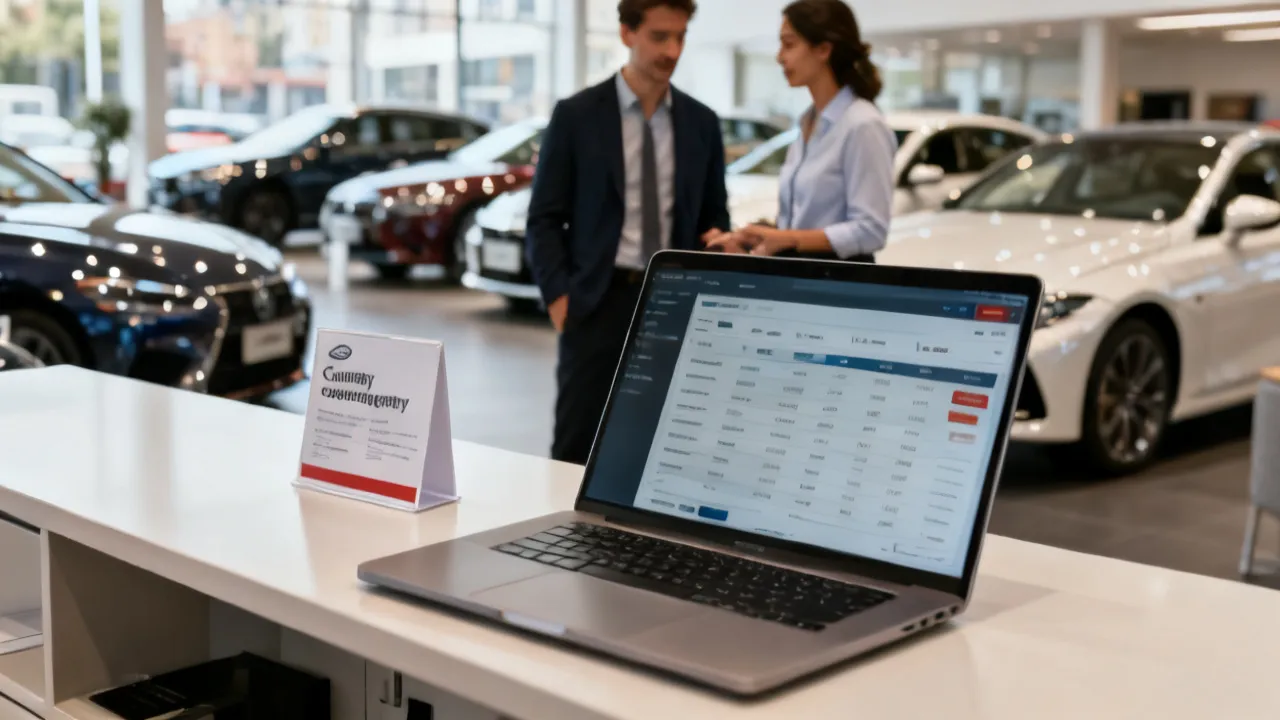
Understanding Vehicle Availability for Smarter Buying Decisions

Vehicle Availability Guide for Buying a Deal
Master Vehicle Availability Before You Buy a Car

Vehicle Availability and How to Buy a Cheap Car
This guide explains how to evaluate Vehicle Availability and locate on-sale vehicles efficiently, from official inventory pages to final purchase steps. It provides objective background on how inventory turnover, pricing transparency, and vehicle history influence what’s available. You’ll also find a practical checklist to compare listings, confirm eligibility, and buy with confidence—without relying on guesswork.
Vehicle Availability Guide for Buying a Cheap Car
Vehicle availability determines how quickly you can test-drive and secure a deal, especially when you’re hunting for a cheap car. This guide explains how to assess inventory at major official trading platforms, compare offers, and reduce risk during purchase. It also provides an expert, objective framework for evaluating listed cars and selecting the right next step.
Vehicle Availability Guide for Buying a Deal
Vehicle availability is the deciding factor when shopping for an on-sale car, since stock, condition, and timing shape both price and options. This guide explains how to evaluate inventory realistically, compare reputable listings from official car trading sites, and choose a “cheap” option without compromising safety. You’ll also learn a practical process for finding deals, verifying details, and completing a purchase with fewer surprises.
Master Vehicle Availability Before You Buy a Car
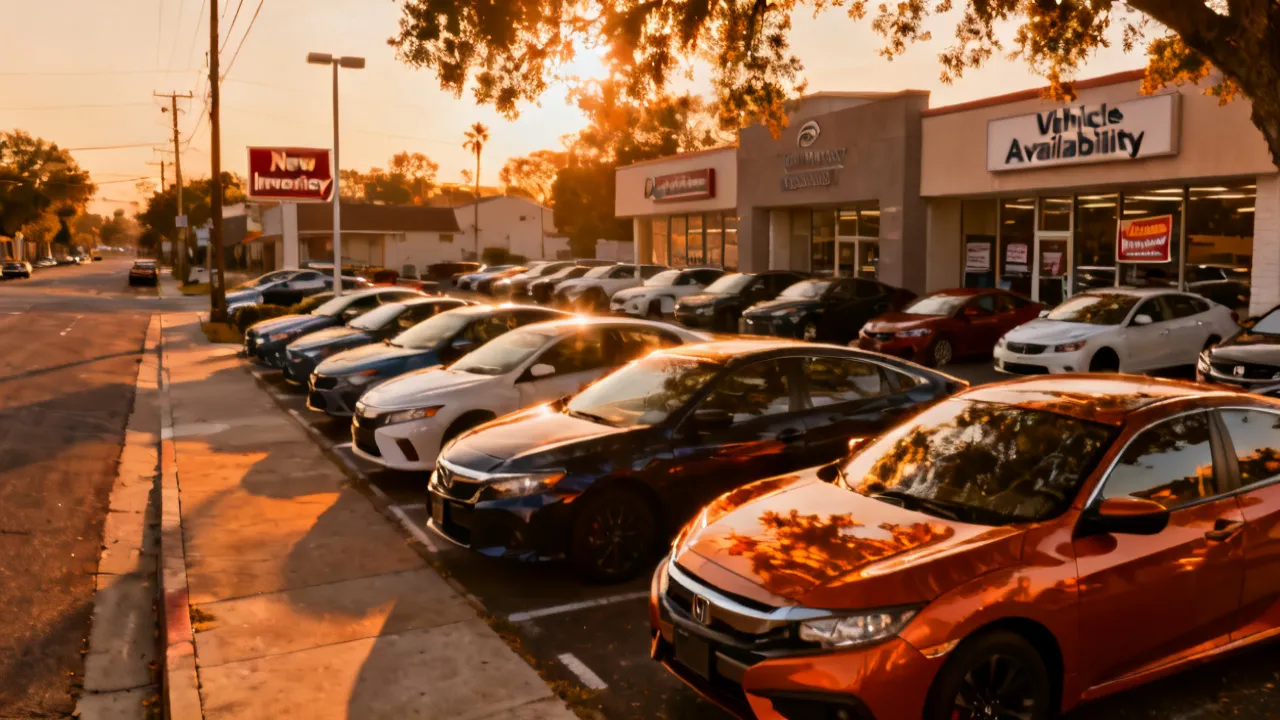
Vehicle Availability determines how quickly you can find the right car, reserve it, and complete paperwork without unnecessary delays. This guide explains how inventory varies across dealers and listing sites, what “availability” usually means in practice, and how to evaluate offers objectively. It also compares major official car trading platforms and provides a step-by-step checklist for buying a car on sale.
Vehicle Availability Guide for Buying a Car
Vehicle Availability is the practical lens through which buyers assess what vehicles can be purchased now, at the right price and with appropriate condition details. This guide explains how to use official car trading platforms—such as cars.com, CarMax, Caronsale, and AutoTrader—to narrow options, confirm inventory status, and estimate total costs. It also covers decision checkpoints and common buyer questions.

Vehicle Availability: Finding a Car On Sale
This guide explains how Vehicle Availability affects car shopping and how to find a car on sale using major official trading websites. You’ll learn what to check before you buy, how to compare inventory across dealers, and which filters reduce waiting time. Background context covers why inventory visibility varies, how pricing is influenced by supply, and how to evaluate listings objectively.
