Vehicle Availability determines how quickly you can find the right car, reserve it, and complete paperwork without unnecessary delays. This guide explains how inventory varies across dealers and listing sites, what “availability” usually means in practice, and how to evaluate offers objectively. It also compares major official car trading platforms and provides a step-by-step checklist for buying a car on sale.

Vehicle Availability is the difference between a smooth purchase and a frustrating loop of “it’s gone” and “we can’t locate the exact unit.” In car trading, availability generally reflects whether a specific vehicle—defined by make, model, trim, mileage, condition, and often color—exists in a seller’s current inventory and can be purchased under the terms shown on the listing.
When you’re searching for a car on sale, inventory timing matters even more. Many listings fluctuate due to trades, wholesales, reconditioning schedules, shipping, and sales holds. A deal that looks strong can lose value quickly if the exact configuration is no longer available. For that reason, this guide focuses on how to assess and verify availability while using reputable platforms to browse and compare inventory efficiently.
From an industry perspective, vehicle inventory is a moving system rather than a static catalog. The following factors commonly influence whether a specific unit remains purchasable:
Because of these dynamics, the very effective search strategy is not simply to “find a cheap car,” but to find a car whose availability status you can validate and whose deal terms you can confirm before travel or commitment.
A major source of frustration is the assumption that if a car is listed online, it’s automatically available in the way you need it to be. In practice, those terms can differ in multiple ways:
To buy confidently, you should treat “listed” as an invitation to verify—not as proof. Vehicle Availability becomes actionable only when you confirm the exact unit (VIN/stock number) and confirm it is not pending under different terms than what you see.
Many people interpret “on sale” as if it’s a fixed marketing status—like a coupon that remains valid until it expires. But with cars, “on sale” usually means the seller has priced the unit under a current promotion or discount structure. Those structures can change due to:
Therefore, when you find an “on sale” vehicle, your goal should be to lock in the key facts: exact unit identifiers, the sale price structure, and the timing of readiness. If any of those cannot be confirmed quickly, your “deal” can evaporate before you arrive.
If you want a reliable baseline for checking Vehicle Availability, start with the official websites of well-known car trading platforms. The goal is to compare how each site presents inventory, how quickly it updates status, and how its listing filters help you narrow down models and trims.
| Platform | What to use it for |
|---|---|
| cars.com | Broad market listings, structured search filters, and inventory discovery across many dealers. |
| CarMax | Dealer-style inventory browsing with emphasis on ready-to-purchase used vehicle availability. |
| Caronsale | Market listings and browsing designed to surface cars on sale; useful for quick comparisons across offers. |
| Autotrader | Extensive searchable listings; helpful for comparing trims, pricing, and availability timing. |
source: www.cars.com; www.carmax.com/cars; www.caronsale.com/en; www.autotrader.com (official websites; information source for the platforms referenced in this article)
Buying a cheap car is rarely just about the lowest sticker price. It’s about minimizing “hidden cost” risks (condition surprises, financing traps, documentation delays) while keeping Vehicle Availability aligned with your timeline.
The typical time-waster is not negotiating—it’s doing the work twice. You see a listing, travel (or spend hours), then learn the unit is already pending, unavailable, or not under the same terms. The antidote is a workflow that treats availability as the first gate you must pass.
Use this workflow to find a car on sale while actively managing availability risk:
Instead of asking vague questions like “Is it still available?”, you can reduce uncertainty by asking targeted questions. When you verify Vehicle Availability, aim to confirm three things: existence (the exact unit), status (ready vs held vs pending), and terms (sale price and eligibility conditions).
Here are examples of concrete questions you can use during calls or message exchanges:
When sellers respond with clear specifics—VIN, stock number, and readiness—they’re usually able to honor the terms. When they respond with generic language, it’s often a sign that you should slow down and verify again.
As you narrow options, apply the following conditions as a checklist. This is designed to be practical and objective—focused on what you can validate rather than assumptions.
| Checklist item | Requirement to proceed |
|---|---|
| Exact unit confirmation | Obtain VIN/stock number and confirm the vehicle matches your chosen configuration. |
| Availability verification | Request “ready status” and whether the unit is currently available for sale (not on hold). |
| Pricing transparency | Understand what’s included in the sale price and list any additional fees up front. |
| Inspection access | Confirm you can complete a pre-purchase inspection or view inspection notes before finalizing. |
| Financing readiness | If you use financing, clarify approvals timeline to avoid last-minute delays. |
Some shoppers interpret availability as a simple binary: the car is either there or it isn’t. In real buying processes, availability has a logistics layer. For example:
This is why “available now” is stronger than “listed.” When you ask about readiness, you’re really asking about whether your path to purchase can occur on your timeline.
In many markets, deals cluster around similar price points, but true value comes from aligning four dimensions: condition, cost to own, availability certainty, and deal structure. Here’s how to think like a trade and remarketing professional.
A listing can be competitively priced for a reason. Look for evidence of basic care: tire wear pattern, brake condition indicators, evidence of regular maintenance, and whether cosmetic issues are consistent with the listed history. A car on sale that is priced below market without explanation can still be a good buy—provided you can verify condition with an inspection and get confidence in repair risk.
To make this more actionable, you can create a “condition hypothesis” before you contact the seller:
This doesn’t mean you should avoid the car. It means you should align your expectation of total cost with what you can validate quickly.
From an industry standpoint, the “cheap car” equation often becomes affordable or expensive depending on future repair patterns, parts availability, and fuel efficiency. If you’re comparing two cars at similar sale prices, ask:
Ownership costs also include insurance cost, which may vary by model and trim. Before you finalize, ask for insurance estimates if possible. While not every seller can provide it, it’s a realistic way to prevent the “cheap purchase, expensive ownership” trap.
Vehicle Availability is a spectrum. A listing might show a vehicle, but availability could be conditional on reconditioning completion, shipping arrival, or paperwork timing. Before you commit, request confirmation that the unit is available under the same terms shown in the listing.
The “trap” happens when you negotiate based on the appearance of availability rather than validated availability. Even if a seller is honest, delays in internal processes can derail you. Availability certainty reduces this risk by ensuring your purchase path is clear.
To increase certainty, you can ask for a timeline:
The more concrete the timeline, the more likely you can trust that the price and car will still exist when you show up.
Sale pricing may include incentives that depend on eligibility—such as financing terms or residency requirements. To keep the deal objective, itemize all fees and ask whether any components change the effective price after signing.
A practical way to evaluate deal structure is to separate:
When you understand the “sale” formula, you can detect when a discount disappears during financing or when a required add-on quietly inflates the final number.
While each website differs in layout and filtering tools, the underlying logic is similar: use search filters to reduce noise, then validate exact availability quickly. Below is an objective, non-promotional way to use the platforms referenced earlier.
Use cars.com to cast a wide net, refine searches through structured filters, and compare similar listings across multiple dealers. When you find a promising unit on sale, the next step is confirming the exact stock number and whether it’s still available.
To reduce the risk of chasing stale listings, you can build habits into your search workflow:
Cars.com is often strong for discovery, especially when you want to compare multiple options quickly. But availability becomes real only after you confirm VIN/stock and readiness.
CarMax is often used by shoppers who prefer an inventory-style approach—finding pre-owned vehicles with clearer “buy-ready” expectations. When targeting a low price, verify the exact unit and ask about inspection status and any reconditioning timeframe.
What matters for Vehicle Availability on inventory-style sites is whether their process supports quick purchase. Inventory systems for these retailers can be designed to reduce “on hold” surprises, but no system is perfect. Use CarMax listings to shortlist, then confirm details:
The benefit of this platform style is that many vehicles are closer to “ready now” than typical dealer-lot situations. That can lower your availability risk—if you still validate the VIN and terms.
Caronsale and Autotrader can be useful for scanning market listings and comparing how sellers present pricing and key vehicle attributes. Because “on sale” listings can change quickly, prioritize confirming VIN/stock number and availability before scheduling time-sensitive actions like travel or on-site inspection.
To make market scanning efficient, you can treat these platforms like a triage tool:
This turns market scanning into an organized process rather than a random browsing session.
One additional mistake often overlooked is failing to plan for your own timeline. If you need a car by a certain date, you should treat availability confirmation as a prerequisite to making decisions like arranging financing, scheduling leave, or coordinating a trade-in.
Sometimes, you’ll encounter a seller who wants to move quickly and a buyer who wants certainty. The best negotiation strategy in those situations is to negotiate the exact unit and require a clear pathway to purchase.
Here’s a practical approach:
This approach helps protect you from the scenario where you agree to terms based on an assumption that later changes.
Inventory systems can be slow to update, especially across multiple channels. A listing might display a status like “available” while the unit has been sold or placed on hold, and sometimes it takes time for that status to propagate across sites.
To reduce the risk of being misled by update delays, you can:
These behaviors turn listing browsing into a verification process that aligns with how inventory systems really work.
If a seller can’t provide VIN or stock number, consider it a red flag. A car listing may exist in their internal system but you are not being given enough identifying data to ensure you’re talking about the exact unit. The practical outcome is risk: even if the dealer intends to help, misunderstandings can still cost you time and money.
In these situations, you can respond:
If they still can’t provide verification after you ask clearly, it may be better to step back and focus on units where identification is easy and consistent.
Sometimes, buyers assume their trade-in simply affects the final price, not the availability of the car they want. But in many dealer processes, trade-in evaluation can influence whether a unit remains available to you.
For example:
This is why it’s beneficial to bring trade-in readiness into your timeline. If you can provide necessary documents and basic numbers quickly, you reduce uncertainty—both for your trade and for the vehicle you’re trying to buy.
Financing is a common source of delays that can turn a “available now” unit into a “sorry, it’s gone” situation. The reason is that financing approval may take time, and sellers may hesitate to release a vehicle until approvals and documentation are confirmed.
To manage this, consider:
Vehicle Availability is not only about whether the unit exists; it also depends on whether your purchase process can move at the pace the seller requires.
Once you confirm availability, the next practical task is scheduling a test drive. But a test drive can become a bottleneck if it’s not scheduled around the seller’s availability windows.
To avoid delays:
Test drive scheduling becomes part of availability management. If you ignore it, you can still lose the unit even after you believed it was available.
A cheap car often becomes expensive when inspection is skipped. Pre-purchase inspections help you validate the condition hypothesis and reduce the risk of hidden repair costs. However, inspection access depends on availability and seller cooperation.
Before finalizing, you should:
Here’s the practical advantage: if the inspection reveals issues, you still have time to re-evaluate availability and search for alternatives rather than being locked into a purchase you can’t afford.
Photos and descriptions can help you create a faster shortlist, but they should not replace verification. Sellers can update images, but the listing’s “story” can still be incomplete. Use photos to look for consistency: tire condition, body wear, interior wear, and whether the text description matches visible details.
To reduce the risk of mismatched units:
Ultimately, photos are a starting signal. VIN and readiness confirmation are what make availability real.
Reconditioning is a frequent cause of moving availability. Many cars enter inventory in an imperfect state and must be inspected, detailed, or repaired. Sometimes, those tasks extend due to parts delays or additional repair findings.
When a seller says the car is “being reconditioned,” ask:
These questions ensure you understand how availability might shift. A cheap “on sale” car could still be valuable if the reconditioning is minor and predictable; it could be risky if reconditioning suggests deeper mechanical uncertainty.
In the context of “on sale” vehicles, add-ons and fees can be the difference between a good deal and an expensive one. While sellers may justify fees as standard, you should aim to separate mandatory requirements from optional products.
To protect Vehicle Availability and deal integrity:
This is important because a seller may be enthusiastic and want to finalize quickly. If you fail to clarify fees, you might agree to numbers that differ from what you considered your “sale price.”
When a seller tells you the car is pending, you have options—but you need to understand the status. “Pending” can mean different things:
If you want to stay in the game, ask:
In some cases, you can also pivot: ask whether they have a similar unit available or if they can source a matching VIN. But availability certainty remains key—don’t assume a “pending” car will become available without confirmation.
Travel to see a vehicle is expensive—time, fuel, lodging if needed. That makes verification even more valuable when cars are not local. A common approach is to verify availability thoroughly before travel.
When considering travel:
This makes the verification process “pay for itself.” You reduce risk and avoid the cost of chasing inaccurate listings.
Even with perfect habits, you might lose a unit because another buyer moved faster. If that happens, don’t restart from scratch. Preserve your work by:
If you recorded the VIN and deal structure you were offered (even via screenshots or messages), you can quickly compare replacement options. That reduces wasted time and keeps your search efficient.
Use the listing’s availability indicators where provided, then request confirmation with the exact VIN or stock number. Ask whether the vehicle is on hold and whether it’s available for sale under the same terms shown online.
Not always. Availability may mean the car is listed for sale, but it can still be pending reconditioning, inspection completion, or transport. Always confirm “ready status” with the seller.
Start with strict filters (price range, mileage cap, transmission, fuel type, and model/trim), then validate the exact unit via VIN and availability confirmation. Pair this with a pre-purchase inspection or review of inspection notes.
They’re helpful for discovery and comparison, but listings can change quickly. The very reliable approach is to verify with the seller using the exact vehicle identifiers and asking about current sale status.
It’s safer to verify availability first, then negotiate pricing and terms for the exact vehicle. Negotiating without confirmation can lead to wasted time if the unit is sold or on hold.
Confirm what you’ll need for financing (if applicable), what identification is required, and how title/registration will be handled. Ask the seller to clarify timelines and any conditions tied to the sale price.
1) The above information comes from online resources, and the data is as of October 2023.
2) For more information, please refer to the official website.
Reference links (including all links used in the article):
Vehicle Availability: Expert Guide for Smart Selection
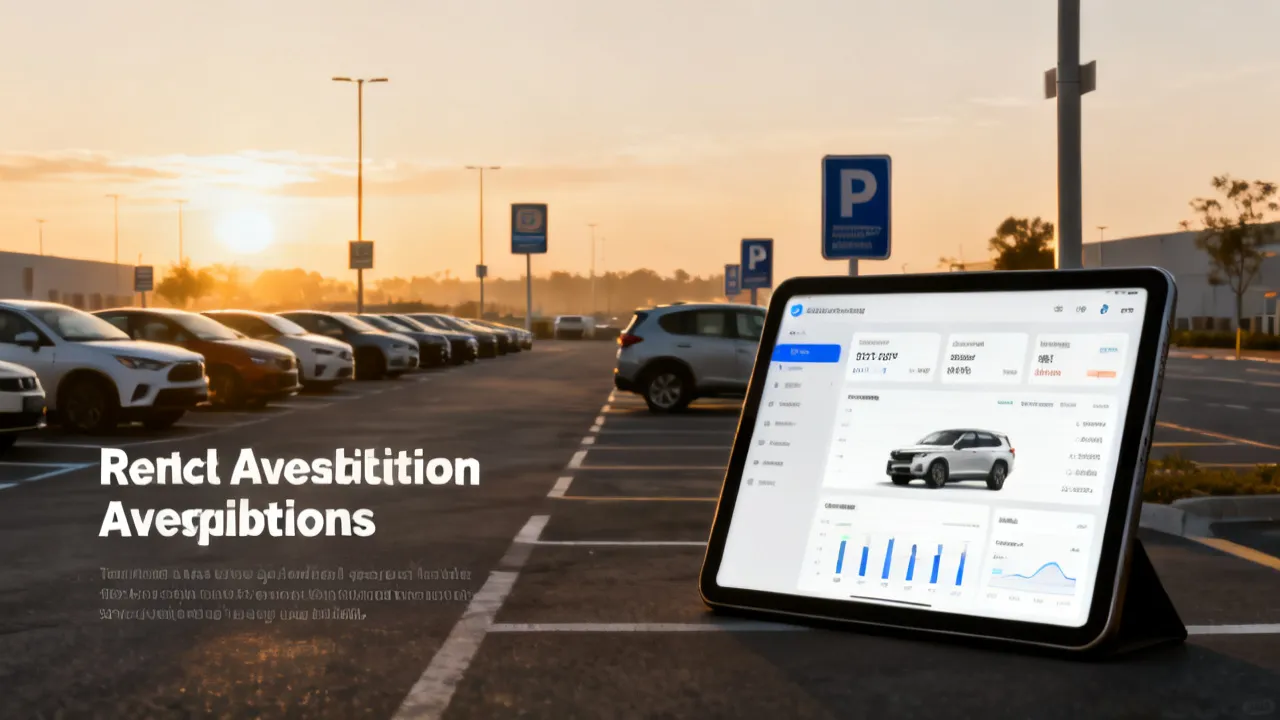
Vehicle Availability and How to Buy a Cheap Car

How Vehicle Availability Shapes Reliable Transportation Supply
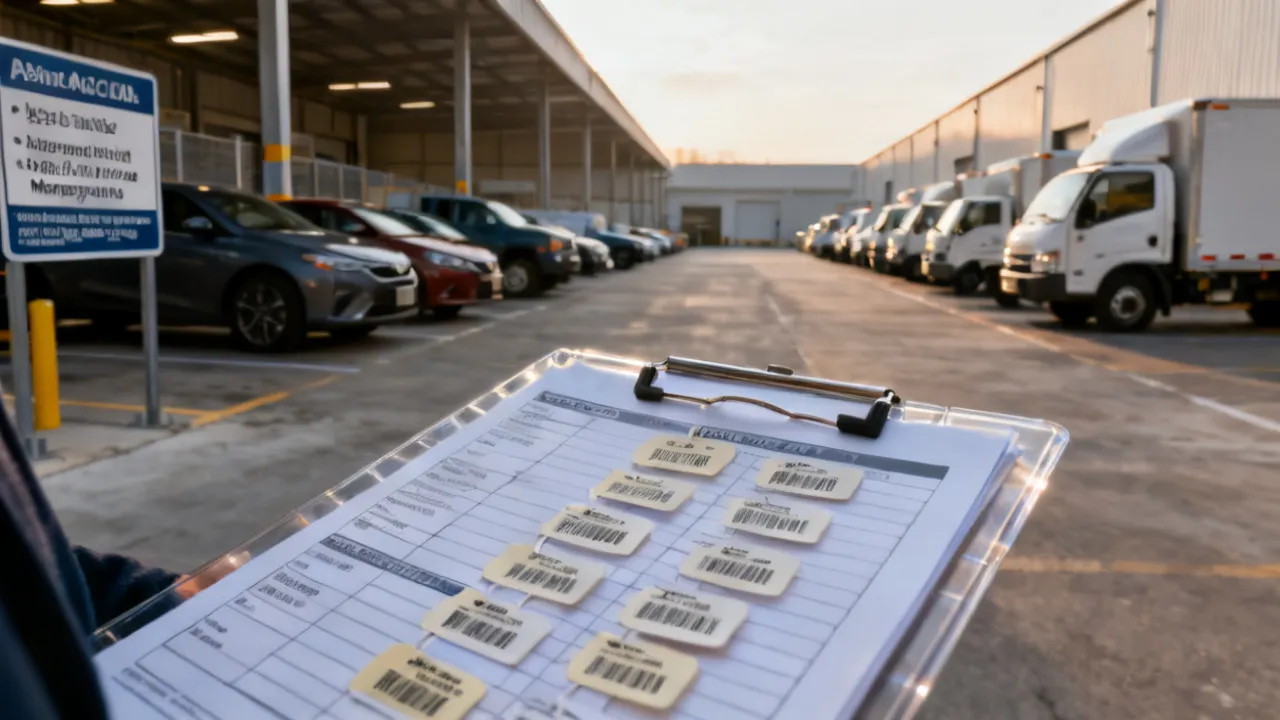
Vehicle Availability Guide for Buying a Cheap Car

Understanding Vehicle Availability for Reliable Operations

Understanding Vehicle Availability for Smarter Buying Decisions

Understanding Vehicle Availability for Smarter Buying Decisions

Vehicle Availability Guide for Buying a Deal

Master Vehicle Availability Before You Buy a Car
Vehicle Availability and How to Buy a Cheap Car
This guide explains how to evaluate Vehicle Availability and locate on-sale vehicles efficiently, from official inventory pages to final purchase steps. It provides objective background on how inventory turnover, pricing transparency, and vehicle history influence what’s available. You’ll also find a practical checklist to compare listings, confirm eligibility, and buy with confidence—without relying on guesswork.
Vehicle Availability Guide for Buying a Cheap Car
Vehicle availability determines how quickly you can test-drive and secure a deal, especially when you’re hunting for a cheap car. This guide explains how to assess inventory at major official trading platforms, compare offers, and reduce risk during purchase. It also provides an expert, objective framework for evaluating listed cars and selecting the right next step.
Vehicle Availability Guide for Buying a Deal
Vehicle availability is the deciding factor when shopping for an on-sale car, since stock, condition, and timing shape both price and options. This guide explains how to evaluate inventory realistically, compare reputable listings from official car trading sites, and choose a “cheap” option without compromising safety. You’ll also learn a practical process for finding deals, verifying details, and completing a purchase with fewer surprises.
Master Vehicle Availability Before You Buy a Car
Vehicle Availability determines how quickly you can find the right car, reserve it, and complete paperwork without unnecessary delays. This guide explains how inventory varies across dealers and listing sites, what “availability” usually means in practice, and how to evaluate offers objectively. It also compares major official car trading platforms and provides a step-by-step checklist for buying a car on sale.
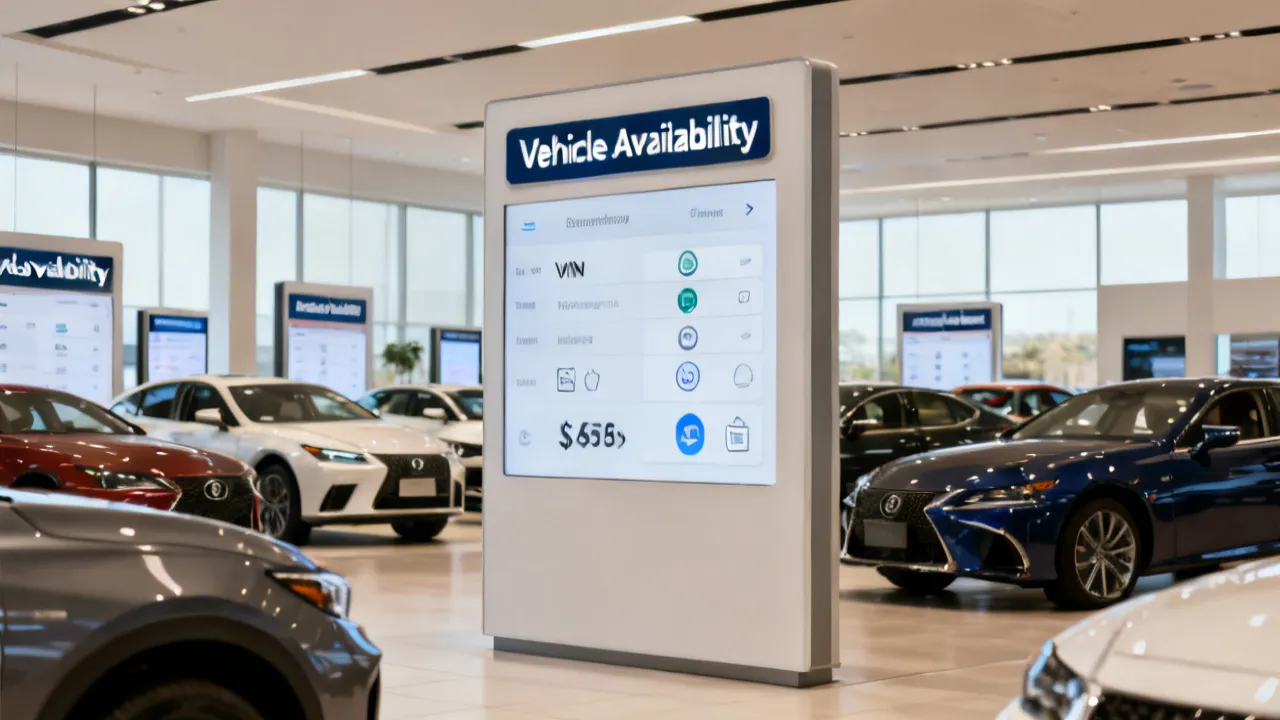
Vehicle Availability Guide for Buying a Car
Vehicle Availability is the practical lens through which buyers assess what vehicles can be purchased now, at the right price and with appropriate condition details. This guide explains how to use official car trading platforms—such as cars.com, CarMax, Caronsale, and AutoTrader—to narrow options, confirm inventory status, and estimate total costs. It also covers decision checkpoints and common buyer questions.

Vehicle Availability: Finding a Car On Sale
This guide explains how Vehicle Availability affects car shopping and how to find a car on sale using major official trading websites. You’ll learn what to check before you buy, how to compare inventory across dealers, and which filters reduce waiting time. Background context covers why inventory visibility varies, how pricing is influenced by supply, and how to evaluate listings objectively.
