This guide explains how to find Trucks for Sale and Instalment options and secure a practical repayment plan without overextending your budget. It objectively reviews what “instalment” financing typically involves, outlines how major official car-trading platforms list inventory, and shows how to compare total cost, eligibility, and vehicle condition using a structured checklist grounded in established retail practices.
When you’re shopping Trucks for Sale and Instalment, the most important decision is not the monthly figure—it’s the total cost of ownership over the financing term. A good instalment plan can make a truck feel attainable, but only if you control the purchase price, the interest rate, the down payment, and the vehicle’s ongoing expenses (insurance, maintenance, tires, and fuel). Regret usually comes from “low payment” thinking—when buyers focus on instalments alone and ignore the structure of the deal, the cost of borrowing, and the true day-to-day cost of running a truck.
From an industry-expert viewpoint, successful buyers follow a practical sequence: (1) confirm affordability, (2) shortlist inventory that matches real usage needs, (3) validate condition and history, and (4) compare offers by out-the-door price and total repayment, not only by the instalment amount. It’s the difference between “can I afford this payment?” and “will this truck still be affordable after repairs, taxes, and the full financing cost?”
To shop smarter, you need a mindset shift: treat the instalment as a result of the overall pricing and financing structure. If you understand what creates that result—vehicle price, fees, APR, term length, and down payment—you can negotiate with confidence. You can also spot when a deal is engineered to look cheap month-to-month while costing more overall.
In many car-trading markets, “instalment” refers to a structured repayment arrangement where you pay a set amount periodically (e.g., monthly) for a defined term until the financed amount is repaid. While exact terms vary by lender, dealer, and country, buyers should expect to evaluate the same core variables. The details may differ, but the logic stays the same: instalments are calculated from the total financed balance, the interest rate, the repayment term, and sometimes additional fees or insurance requirements.
When people say they found a “good instalment deal,” they often mean one of these things:
To avoid misunderstandings, treat instalment financing as a contract with multiple moving parts. The variables typically include:
Because truck financing is asset-backed, lenders frequently underwrite based on credit profile and ability to repay. Your goal is to align the financing structure with your real cash-flow—especially if you use the truck for work. If you depend on the truck to earn income, downtime from mechanical issues becomes a financial risk. That’s why condition and service history should be as important as the instalment number.
Another key point: “instalment” deals can be structured differently depending on whether the truck is new, used, privately sold, or dealer-financed. In some cases, financing can be offered as part of a package with accessories or extended warranties. In other cases, the dealership may “bundle” fees in ways that are easy to overlook. Your job is to separate the vehicle price from the financing cost, and to confirm the exact APR and total amount payable.
To avoid chasing inaccurate listings, use established official trading platforms where inventory is cataloged, updated regularly, and supported by standardized listing data (when available). Established platforms help you discover options faster, compare similar vehicles, and filter out irrelevant listings. However, they cannot replace verification. Even a reputable platform can include listings that are outdated, pending sale, or incomplete in terms of condition reporting.
Below is a comparison table to help you understand how major platforms typically present vehicles. Think of this as a guide to how you’ll browse—not as proof that a specific truck is verified or ready for financing. Always inspect or at least validate documentation before you commit.
| Platform (Type) | Typical Listing Approach |
|---|---|
| cars.com (Marketplace) | Aggregates dealership and private listings with filters for make, model, price, mileage, and sometimes payment-related browsing. |
| Carmax (Retail-focused) | Curates inventory with dealer-led sales process; listings commonly emphasize vehicle details and structured buying steps. |
| caronsale.com (Broker/market listings) | Provides a searchable inventory experience; listings may vary by seller and should be verified before final decisions. |
| Autotrader.com (Marketplace) | Centralizes listings across sellers with search and filter capabilities that help buyers compare options. |
source: www.cars.com, www.carmax.com/cars, www.caronsale.com/en, www.autotrader.com
These links are provided as the source of the platform information noted above.
When using these platforms, a strong browsing method is to build a “shortlist list” (not just one wishlist). For example:
This reduces the chance you lose a month chasing one listing that quietly sold. It also helps you compare offers consistently because you’ll have the details in front of you when lenders and dealers send financing packages.
Finally, remember that platform listings can sometimes show “payment estimates” that are not final quotes. If the platform suggests an instalment, ask the seller for a written quote with the exact APR and total amount payable. Payment estimates can be affected by the lender used, promotional rates, credit tiers, or assumptions about down payment.
“Cheap” can mean different things: lowest sticker price, lowest monthly instalment, or top value after accounting for repairs and depreciation. For trucks, the most reliable way to define “cheap” is value density: the combination of price, condition, mileage (or hours for certain use-cases), service records, and total running costs. Two trucks with the same sticker price can have wildly different total costs if one needs repairs soon or has a history of heavy towing damage.
To keep the deal real, you also need to include risks such as:
Think like a buyer who intends to keep the truck long enough to “earn back” the purchase and financing. If you buy too cheap without verification, the truck may become a cost sink rather than a productive asset.
Before you compare instalment offers, decide what the truck must do. When you buy with a clear profile, you prevent yourself from being distracted by deals that look attractive but don’t match your workload or lifestyle.
Your target profile should include:
Also consider the “future version” of your needs. If you might expand your work or business soon, buying a truck too close to its limits can cause expensive repairs or force you to upgrade earlier than planned.
Very often, buyers use search filters casually. But filters can also mislead you if you don’t understand what each filter is optimizing. For instance, if you set a very low price filter, you might exclude trucks with high reliability simply because they cost more upfront. Meanwhile, if you set a filter for “low mileage” only, you might end up with a truck that has been sitting for long periods—bad for batteries, fluids, seals, and rust progression.
When platforms allow searching by price, mileage, and location/region, treat it as a starting point. A listing that appears affordable at first glance can become expensive due to:
Strategically, you can apply filters in two passes:
This approach ensures you don’t only chase the cheapest entry price but also find trucks that won’t surprise you later.
In a typical retail process, the deal is influenced by vehicle price plus multiple additional amounts. The difference between “online price” and “what you pay at the end” can be substantial. A truck that looks like a bargain can become less attractive once you add taxes, fees, registration, and financing charges.
From a buyer-protection standpoint, the top approach is to request a full breakdown so you can compare offers apples-to-apples.
In most cases, out-the-door pricing may include:
When you ask for a breakdown, also ask the dealer or lender to provide the total amount you’ll repay over the term, not only the monthly number. If you’re comparing two offers with different terms, comparing only monthly instalment can be misleading because it hides the total interest cost.
If possible, ask for a worksheet that shows:
This is not just “paperwork”—it’s your tool for negotiating and avoiding regret.
Use the process below to reduce the risk of paying more than expected or choosing the wrong truck for your budget. Think of these steps as a control system: each step reduces uncertainty. Regret usually happens when buyers skip a step—often vehicle verification—because they were emotionally attracted to a “low payment” offer.
Determine the maximum instalment you can pay comfortably. Then add estimated costs like insurance and routine maintenance. Even if the dealer’s offer fits your monthly target, confirm it fits your real monthly cash-flow.
To do this well, you can create a simple monthly budget model:
Condition to apply: If you expect irregular income (e.g., seasonal work), use a conservative instalment ceiling and keep a buffer for repairs. In truck financing, a slight payment miscalculation can cause late payments, penalties, or repossession risk. The cheapest truck deal is the one you can sustain reliably.
Also consider the seasonality of expenses. Tires and brakes can wear faster in heavy seasons, and repairs might cluster during months where your income is lower. If you can, plan a “maintenance month buffer” that sets aside money for predictable wear items.
Shorter terms often reduce total interest but may increase the monthly amount. Longer terms reduce the instalment but can raise the overall cost and keep you paying for longer.
Here’s how term length affects your real cost:
Condition to apply: Prefer a term that matches your expected period of ownership. If you plan to sell soon, a good loan can work against you if the truck depreciates faster than your loan balance declines. That can lead to negative equity (owing more than the truck is worth) when you try to trade in early.
As a practical rule, try to avoid choosing a term that extends beyond your “comfort ownership window.” If you know you’ll likely keep the truck for 4–5 years for work, a term far longer than that can lock you into payments while the truck’s value changes.
Many buyers focus so heavily on payment that they skip verification. A professional pre-purchase inspection can reveal issues like engine or transmission faults, hidden structural damage, and expensive-to-fix electrical problems.
Before you sign any instalment agreement, validate the truck’s condition with:
Condition to apply: If the truck’s condition is uncertain, ask for documentation, service records, and inspection results before finalizing instalment terms. If a seller refuses an inspection or discourages you from it, treat that as a red flag. Remember: you’re financing a vehicle, so your lender and your budget both depend on the truck being reliable.
Also inspect for “work-truck signals.” Many trucks are sold after heavy usage. Common issues can include leaking rear differentials, worn U-joints, overheating history, and overloaded suspension. Even if the truck drives well today, wear patterns can indicate that major repairs may be upcoming.
If you can, take the truck on a test drive that matches real conditions. Try:
Request a purchase agreement breakdown. Ensure you understand the difference between:
Condition to apply: Don’t accept a deal based solely on a headline payment. Ask for the arithmetic behind it. If the dealer can’t explain fees, or if fees appear vague (“service package,” “admin package”) without clear items and prices, demand a detailed list.
A common “regret scenario” is when buyers agree quickly because the monthly number seems attractive. Then they discover that add-ons increased the price more than expected. Sometimes add-ons are negotiable or removable. Even if they aren’t, you should know what you’re paying for.
Be cautious about trade-in calculations too. If you have a trade-in, ensure you understand:
For accurate comparisons, ask for the “with trade-in” and “without trade-in” calculations separately when possible.
Financed vehicles often require comprehensive and collision coverage. Insurance premiums vary widely by truck model, year, location, and usage. Get an estimated quote early so your monthly budget remains intact.
When you request insurance quotes, provide consistent information to avoid quote changes. Some insurers will ask about:
Condition to apply: Confirm coverage requirements before final approval. If the lender requires a certain coverage level, ensure your insurer can meet it. If you later find out coverage costs more than expected, you may experience budget strain leading to late payments.
Also verify whether the insurance policy will cover the truck’s specific features—like custom accessories, work equipment, or towing equipment. If your truck is modified, you may need additional coverage types or documentation.
Trucks can be cost-effective, but the “hidden” expenses are real. A truck is not only a loan payment; it’s a maintenance and operating asset. Budget for the following:
From a practical planning standpoint, you should build a “wear-and-tear allowance” into your monthly budget, even if it’s small. Over time, it prevents the financial shock of major repairs.
Also consider depreciation. Even if you plan to keep the truck for several years, depreciation can affect your eventual payoff strategy—especially if you intend to trade in or upgrade later.
Even when financing is legitimate, instalment numbers can mislead. This happens when buyers treat the instalment as the primary lever rather than analyzing how it was produced.
Common scenarios include:
An expert buyer treats the instalment as a result—a translation of the true deal structure—rather than the primary decision lever. That means you should always compare:
When you compare deals using this method, you stop feeling “trapped” by the monthly figure. You can also negotiate more effectively because you can point to specific numbers rather than emotions.
Use this checklist when comparing trucks across listings. The goal is to reduce uncertainty before you sign. Each item either confirms value or reduces risk.
When you use this checklist, your decision becomes more analytical. That makes it easier to avoid impulse purchases made after seeing a low monthly instalment.
When you search for Trucks for Sale and Instalment, filtering by distance can help you reduce time and transport costs. Since location keywords are replaced with “nearby”, focus on practical logistics: travel time to view the truck, availability of pre-purchase inspections in that area, and the likelihood of consistent inventory turnover.
In local markets, the “nearby” approach often improves the odds of finding reliable listings quickly—especially if you can visit multiple options in a short window. However, nearby listings can also introduce a risk: you might see more inventory quickly, but you still need to validate condition thoroughly. Fast shopping can sometimes cause rushed decisions, which is exactly what leads to regret.
Regional factors you should consider:
If you’re traveling to view trucks, plan your visits so you can compare them side-by-side. For example, schedule inspections back-to-back within a week so you can maintain decision clarity. Bring your checklist and request written answers on financing before you leave.
Not universally. Cash purchases can avoid interest cost, while instalment financing can preserve liquidity. The best choice depends on your credit profile, total repayment cost, whether the monthly payment aligns with your real affordability, and whether you have an emergency buffer. If financing APR is high and you can pay cash without draining your safety savings, cash may be better. If your cash is needed for business operations or emergencies, financing may be safer even with interest—provided the total deal is reasonable.
Compare the total cost of the deal: out-the-door price plus total financing charges over the term. A low monthly payment can still be expensive if the term is long, the APR is high, or add-ons increase the purchase price. Ask for total amount paid and total interest. Then compare across trucks with similar conditions and use cases.
Both matter. For trucks, condition and maintenance history often outweigh simple mileage. A well-documented truck with moderate mileage may be a better value than a lower-mileage vehicle with unknown service records or poor upkeep. For heavy-use trucks, hours of operation or towing history can be more meaningful than odometer mileage.
Ask for listing details that show vehicle history where applicable, and request a full breakdown of purchase and financing terms. If available, request inspection results and service documentation. For used trucks, look for maintenance records, any accident documentation, recall information, and proof of repairs for major components.
Often yes, but negotiation strategy matters. You generally want to negotiate the vehicle price first and ensure you understand how financing terms affect the total cost. Always confirm the exact APR and total repayment details in writing. If you negotiate the monthly payment only, you might accept a worse vehicle price or longer term without realizing it.
They can. Dealer financing may involve specific promotions or structured offers; bank financing can sometimes be more flexible depending on your credit. Compare total repayment and not just monthly instalments. If you get pre-approval from a bank before shopping, you may negotiate more effectively because you have leverage and a known APR ceiling.
Consider it a warning sign. A professional inspection protects you from expensive surprises. If you can’t get a third-party inspection, ask what type of inspection the dealer provides, whether you can review reports, and whether there is a warranty or return policy that covers major faults.
Don’t finalize the deal until you understand the monthly insurance cost. If insurance is too expensive, you may need to adjust your truck choice, choose a different trim/model, increase deductible options if permissible, or shop for quotes from multiple insurers. Insurance cost should be part of your affordability calculation from the start.
Often, yes—because it reduces the financed amount and can improve affordability. It may also improve approval odds or reduce APR depending on the lender. However, don’t put down all your savings if you need emergency funds. A safe down payment is one that improves the deal without risking your financial stability.
Large trading platforms like cars.com, Carmax, caronsale.com, and Autotrader.com primarily help consumers discover inventory through searchable listings and filtering tools. They streamline the initial “find trucks” stage by letting buyers compare makes, models, prices, mileage, and location. They also help buyers narrow options and contact sellers more efficiently.
From a professional standpoint, treat platforms as a discovery layer and not as a guarantee of condition. The buyer still must verify details, because listings can change, vehicles can be pending sale, and condition varies between sellers. Even when listings appear detailed, it’s important to ask clarifying questions and validate information through inspection or credible documentation.
How platforms help (and what they don’t do):
To maximize platform benefits, you can also use patterns:
In addition, if you notice repeated listing inaccuracies (wrong mileage, inconsistent photos, unclear availability), you may be better off avoiding that seller profile. Reliability in documentation is often a sign of overall reliability in the deal.
To reduce buying risk, apply these conditions during the instalment purchase journey. Think of them as your “non-negotiables.”
A safer approach isn’t about slowing down—it’s about improving certainty. If you follow these requirements, you lower the odds that you’ll experience an expensive surprise after signing.
Below are the reference links used for the platform descriptions in this article. These links are the source of the information noted earlier.
https://www.cars.com/
https://www.carmax.com/cars
https://www.caronsale.com/en
https://www.autotrader.com/
1) The above information comes from online resources, and the data is as of October 2023. 2) For more information, please refer to the official website.
All links appearing in the article:
https://www.cars.com/, https://www.carmax.com/cars, https://www.caronsale.com/en, https://www.autotrader.com/
Trucks for Sale and Installment Buying Guide

Trucks for Sale and Instalment: Smart Buying Guide
Trucks for Sale With Instalment Loan Options
Buying Trucks for Sale and Instalment Responsibly
How to Buy Trucks for Sale with Instalments
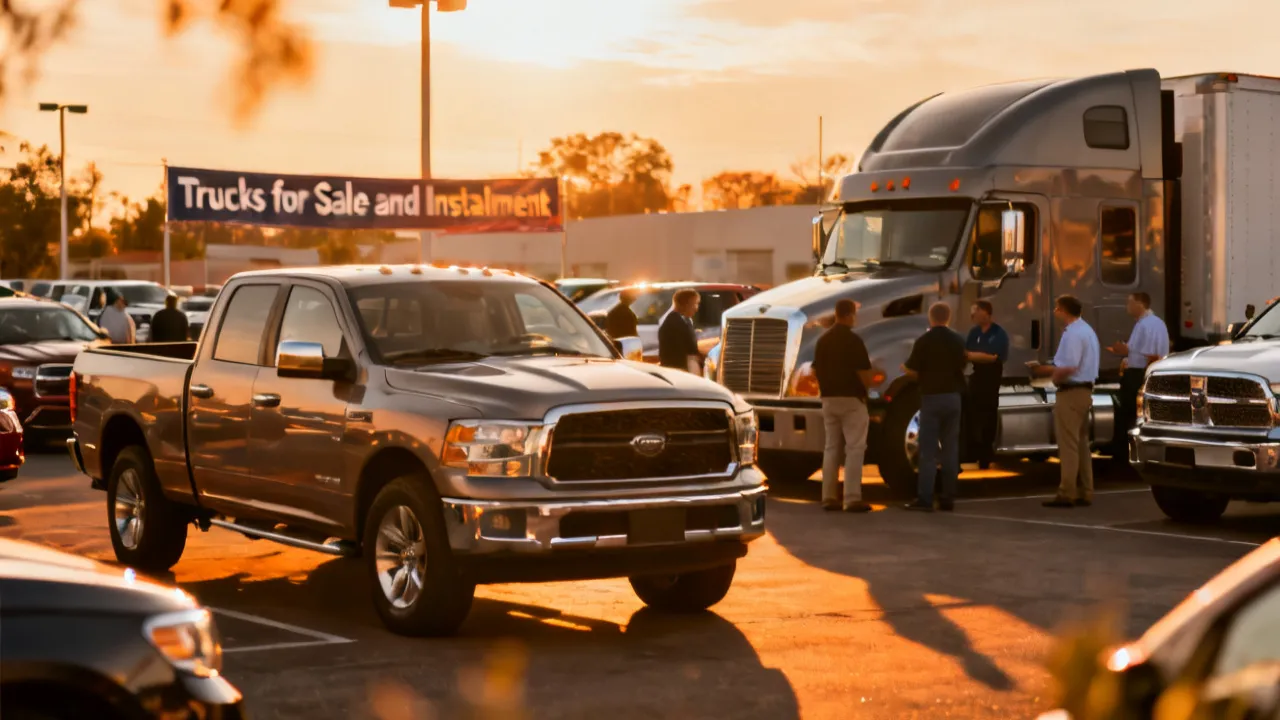
Trucks for Sale with Installment Options
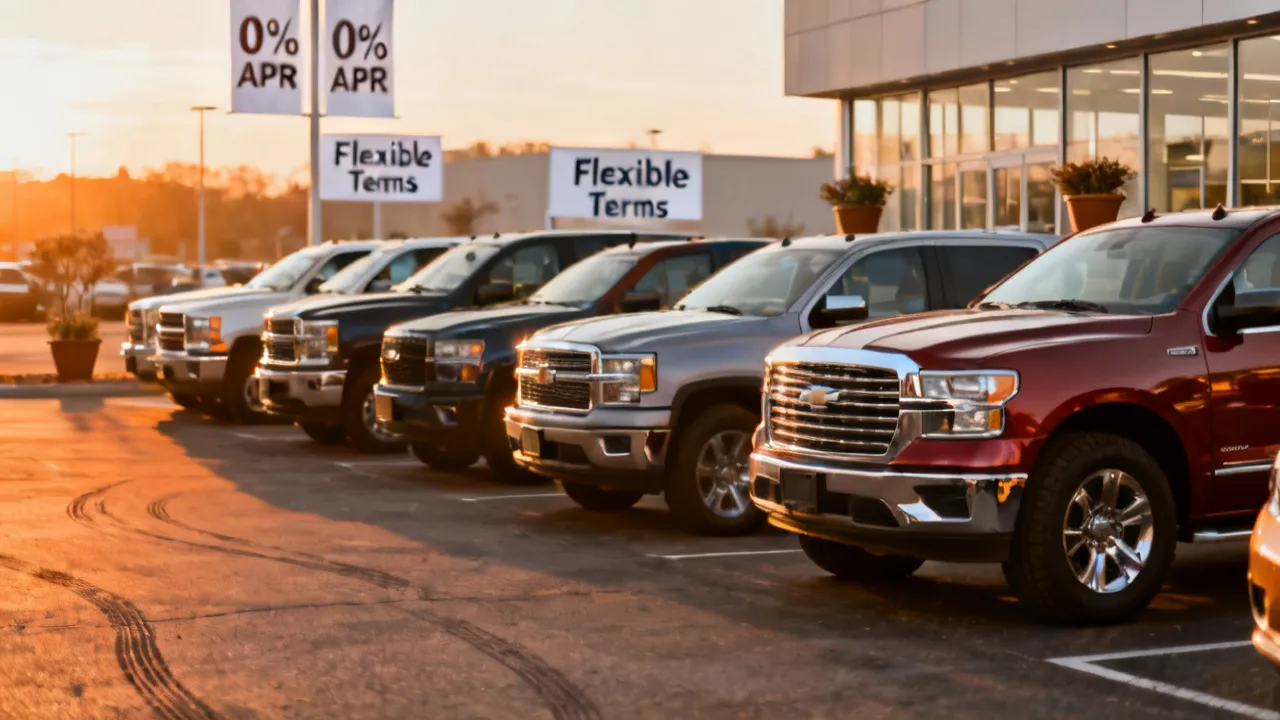
Choosing Trucks for Sale and Instalment Options
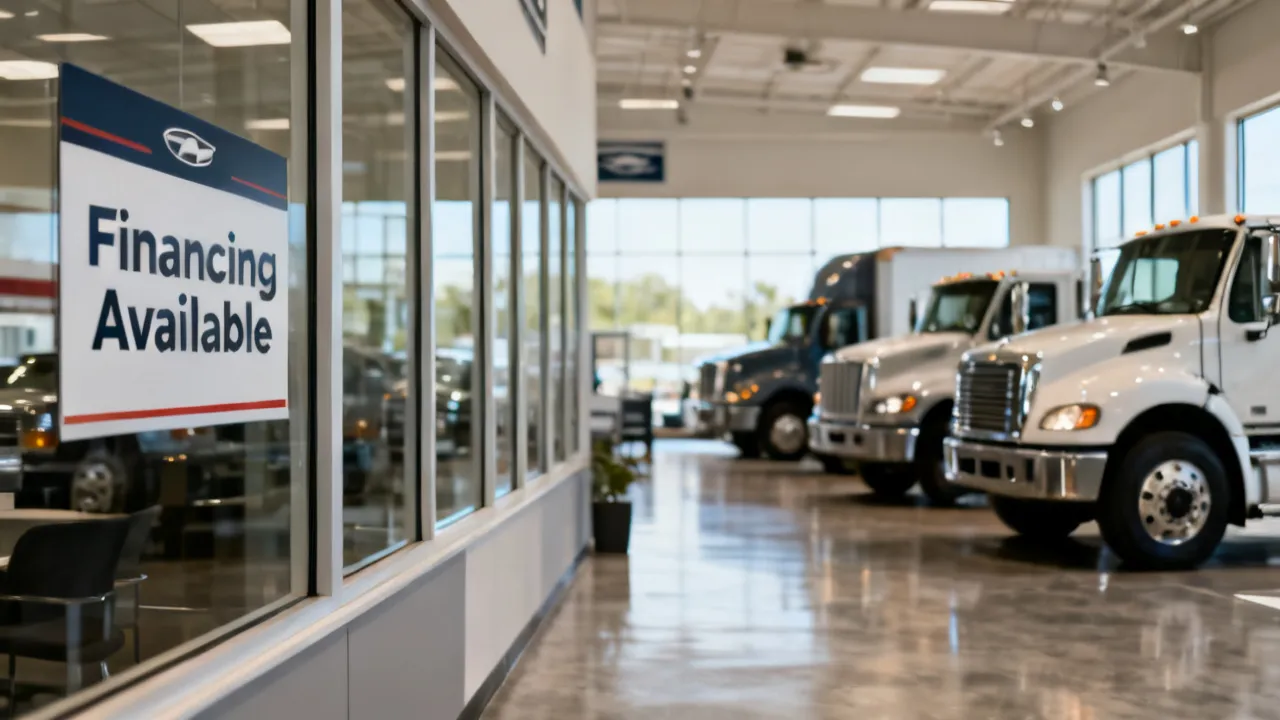
Trucks for Sale and Instalment: Buying Guide
How to Buy Trucks for Sale and Instalment

Trucks for Sale and Installment Buying Guide
Trucks for Sale and Instalment programs can make upgrading practical by spreading payments over time. This guide explains how installment deals work, what to check before signing, and how to compare listings from major official car trading platforms. It also offers an objective decision framework for finding a reliable truck at a fair total cost, including common documentation and eligibility needs.
Trucks for Sale and Instalment: Smart Buying Guide
Trucks for sale and instalment deals require more than choosing a model—buyers must understand total cost, credit fit, and the paperwork that makes monthly payments reliable. This guide offers an objective overview of how instalment plans typically work and how to compare options across major official car trading platforms. It also outlines practical steps for finding a good-value truck while managing risk.
Buying Trucks for Sale and Instalment Responsibly
This guide explains how to buy trucks for sale with instalment options while keeping choices practical and compliant. You’ll learn what to check before financing, how to compare offers across reputable marketplaces, and how to spot reliable deals. It also outlines a step-by-step approach to estimating monthly affordability, verifying vehicle history, and choosing terms from trusted official car trading websites—using objective guidance rather than hype.
How to Buy Trucks for Sale with Instalments
This guide explains how to find and buy trucks for sale with instalment options, focusing on practical selection, financing readiness, and cost control. “Trucks for Sale and Instalment” reflects a common pathway for commercial buyers who want access to reliable transport without paying the full amount upfront. Background context covers how online marketplaces, dealer inventories, and credit qualification typically shape availability and total ownership cost.
Trucks for Sale with Installment Options
This guide explains how to find trucks for sale and instalment plans, compare reputable listings, and estimate total costs before committing. It begins with objective background on keyword concepts—dealer inventories, financing structures, and eligibility factors—then moves to practical steps for spotting dependable offers, narrowing choices, and completing paperwork with confidence using established car trading platforms.
Trucks for Sale and Instalment: Buying Guide
This guide explains how to find Trucks for Sale and Instalment options and secure a practical repayment plan without overextending your budget. It objectively reviews what “instalment” financing typically involves, outlines how major official car-trading platforms list inventory, and shows how to compare total cost, eligibility, and vehicle condition using a structured checklist grounded in established retail practices.
