This guide explains how to assess Vehicle availability and then buy a cheap car that fits your needs, without compromising on safety or good costs. Objectively, “vehicle availability” reflects whether specific makes, models, trims, and condition tiers can be found quickly through dealers and online marketplaces. The article also compares major official trading platforms and outlines practical steps to locate reliable listings.

When shoppers search for a low-cost option, they often start with price. A more reliable approach is to start with Vehicle availability: whether the exact car type you want—by model year range, trim level, transmission, drivetrain, fuel type, mileage band, and condition—can actually be found nearby in a reasonable time window. Availability influences your choices, negotiation leverage, financing terms, and—importantly—how quickly you can complete inspections and paperwork.
From an industry perspective, the low price-looking deal can become expensive when it requires weeks of searching, costly transport, or repairs that weren’t obvious from a listing page. By verifying availability early and then applying a disciplined “total cost of ownership” mindset, you can narrow to the listings very likely to be truly affordable.
In practical terms, “vehicle availability” is the gatekeeper between what looks cheap and what is actually cheap. Two buyers can view the same model year and roughly the same price band, but the buyer who can secure an inspection appointment tomorrow—because multiple matching listings are still sitting on dealer lots—often ends up with a better outcome. That’s not just luck. It’s process efficiency: fewer delays, fewer missed opportunities, and fewer costly last-minute compromises.
To get value, you want to reduce uncertainty. Uncertainty tends to cost money: time off work for travel and delays, money spent on unneeded vehicle transport, surprise repair expenses, and the opportunity cost of paying interest longer due to slower closing. When you treat availability as the first variable, you shrink the uncertainty space before you start spending real money.
Vehicle availability is not just “are there cars for sale?” It typically includes several practical dimensions:
For many buyers, the “cheap car” goal is really a goal of finding good value within a feasible search process. The top deals tend to appear when you can align availability, inspection readiness, and pricing clarity.
In a dealership context, availability also means something like: “How easy is it to verify the car’s current status, history, and readiness for sale?” Some units are parked, some units are actively being serviced, some units are waiting on titles, and some are on hold due to pending sales. From the buyer’s perspective, those differences matter. A listing might be online but not actually ready for you to test drive, not ready to be inspected, or not eligible for the financing terms you qualify for.
In a private-party context, availability often includes whether the seller is responsive and can provide documentation promptly. A cheap car listing with slow response times effectively lowers availability—even if the car is “technically available” online.
To evaluate Vehicle availability efficiently, you need marketplaces that regularly update inventories and provide clear pathways to view listings and compare vehicle attributes. Below is a concise comparison of major official trading platforms referenced for this guide.
| Platform (Official Site) | Primary Use | What You Can Assess for Availability |
|---|---|---|
| cars.com | Cross-market browsing and dealership discovery | Inventory breadth, listing completeness, and frequent re-listing patterns |
| Carmax | Dealer-led used vehicle listings | Consistency of presentation and structured inventory categories |
| Caronsale | Vehicle listings and marketplace discovery | Model-based search and location filters to gauge near-inventory options |
| autotrader.com | Dealer and private-market listings aggregation | Comparative pricing views across similar trims and regions |
source: [www.cars.com](www.cars.com) | [www.carmax.com](www.carmax.com) | [www.caronsale.com](www.caronsale.com) | [www.autotrader.com](www.autotrader.com) *Source of platform information for where these cars are listed and how the websites are positioned as trading resources.*
Practical note: Availability changes quickly. Even within the same platform, listings can be updated, removed, or marked as sold. Industry top practice is to shortlist quickly, confirm status directly with the seller, and schedule inspections without delay.
If you want to operationalize availability, use a simple workflow: find candidates on a platform, verify with the seller, then repeat the process only if the candidate passes your “fast due diligence” checks. The trick is to avoid getting emotionally attached to a listing before it’s confirmed. Once you confirm that the vehicle exists physically, matches the listing, and is ready to be inspected, then you can invest more time.
Also note that platform features matter. Some sites may show inaccurate “days on market” metrics or may cache data. Treat any platform timestamp as directional, not absolute. The real source of truth is the seller and the vehicle identification process (VIN, current mileage, actual condition photos taken today, and appointment availability).
Buying a cheap car is rarely about finding the lowest displayed price. It’s about locating the top value under constraints: limited budget, acceptable reliability risk, workable financing, and manageable maintenance. Below is a step-by-step guide built around Vehicle availability.
To protect value, you need to think like a buyer who can afford to walk away. When you treat availability as first priority, you reduce the chances you’ll feel pressured by a single listing. That reduces the risk of impulse buying and enables stronger negotiation.
For example: “must-have” might be automatic transmission, sedan body style, and a minimum safety feature set. “Nice-to-have” might be low mileage or a specific color. The broader your must-have list, the more your options shrink—and the more your search depends on luck rather than availability.
One practical method is to write down three tiers: (1) absolute non-negotiables (safety, drivability, basic suitability), (2) strong preferences (things that reduce daily inconvenience), and (3) flexible options (cosmetic items, color, non-essential packages). You’ll be surprised how often you can improve the deal by allowing flexibility in tier 3 while holding firm on tiers 1 and 2.
Instead of searching broadly for “cheap car,” narrow by price bands you can afford plus a buffer for taxes/fees and initial maintenance. This is where Vehicle availability becomes visible: the filter results show whether your target is attainable nearby.
Be careful with price filters that are too aggressive. Many buyers see a listing at a low number, then discover that the out-the-door total is higher once registration, document fees, and mandatory add-ons are included. If your goal is affordability, set your filter based on your expected out-the-door budget rather than the sticker price alone.
Listings can disappear. Contact the seller within hours or the same day whenever possible. Confirm the vehicle is still available and ask about key details: service records, tire condition, brake wear, accident history disclosures, and any known issues.
A fast verification routine prevents you from wasting time. For instance, ask for photos of the VIN plate, the dashboard mileage, recent service receipts (or at least the service history summary), and a current tire/brake close-up. If a seller resists providing basic verification, that’s a signal you should slow down and protect your time.
A “cheap” car with poor disclosure often signals higher risk. Look for complete photos, consistent descriptions, and clear VIN-based documentation where available. From an expert standpoint, listing transparency tends to correlate with reduced uncertainty and fewer last-minute price changes.
Listing quality isn’t only about number of photos; it’s about consistency. Does the description match the photos (for example, does the listing claim new tires but the photos show worn tires)? Does the listing mention damage but provide angles that show the same issue? Is the mileage consistent across photo timestamps and the dashboard? Those details matter because they reduce the chance you’ll discover major issues during inspection.
In very real-world transactions, the inspection is where you earn your advantage. If the car needs urgent repairs, the negotiation follows—rather than reversing the order and hoping issues are minor.
Think of negotiation like a math problem: your maximum offer should be derived from expected repair cost and risk level. You don’t want to guess. If you guess wrong, the “cheap” car can quickly become the most expensive car you’ve bought in years.
Use the inspection results to adjust the price and confirm which repairs are included (if any). A structured approach reduces buyer regret.
When negotiating, you want to focus on itemized issues with real cost implications rather than general dissatisfaction. A strong buyer asks for a specific adjustment tied to inspection findings. That makes the negotiation harder to dismiss as emotion.
Even when purchase price is low, the car’s ongoing cost matters. Budget for tires, brakes, fluids, battery health (for some vehicles), and any model-specific maintenance patterns.
Maintenance cost can vary dramatically by vehicle model and age. For example, some vehicles have expensive components (certain suspension parts, catalytic converters, turbo-related items, or specific transmission services). Availability might be high for a certain model, but if common repairs are costly and frequent, the “cheap” offer may not be cheap overall.
Cheap price tags can be misleading when dealer fees, registration, taxes, or add-ons inflate the real outlay. Request an itemized breakdown so the final number matches your affordability.
If you’re financing, also confirm how financing rates, term length, and down payment influence the overall cost. A slightly higher purchase price at better financing terms might still beat the cheaper car with worse terms—depending on your credit profile and the lender’s evaluation.
There’s an important psychological element here: a “cheap” purchase becomes painful when it disrupts your schedule. If you need to commute, a car that breaks during the first month can be extremely costly—not only in dollars, but also in stress. Availability helps you select cars you can inspect and confirm quickly, which reduces the probability of unpleasant surprises.
Another condition is your ability to take action. If a car is truly a good deal, it often doesn’t remain available for long. Keeping the process disciplined—shortlist, verify, inspect, negotiate—lets you take action decisively rather than dragging out the process until the car is gone.
When Vehicle availability is strong, buyers often suffer from choice overload—too many listings look similar at first glance. Dealers and experienced shoppers use a tighter lens. Key professional considerations include:
When availability is high, professionals also consider the transaction mechanics. They think about whether the seller can provide a timely test drive, whether the dealer will allow an independent inspection, and whether paperwork can be completed quickly. A car might have a great price, but if it’s tied up in a title delay or unavailable appointment slots, it becomes expensive in time and inconvenience.
Experienced buyers often use a “two-level checklist” approach. Level one is fast screening from the listing (photo quality, description clarity, basic specs match). Level two is deeper due diligence after they confirm the vehicle is still available (inspection, VIN checks, service receipts, and a test drive focused on identified concerns). This approach prevents them from wasting time on poor matches even when the market seems full of options.
Different official trading websites tend to offer distinct strengths in how they display and update inventory. In general:
The overarching lesson is that Vehicle availability becomes easier to manage when you can compare multiple sources. When inventory is limited, broaden slightly on must-have requirements (within safe boundaries) so you are not locked into a single impossible search outcome.
Platforms can also help you manage your search efficiency. If a site supports alerts (price drops, new inventory matches), you can react quickly when a candidate appears. That is effectively an advantage because many strong deals arise when a seller lists a vehicle below typical expectations and the price is corrected after initial traffic.
However, don’t rely exclusively on platform metrics. Always confirm with the seller, because online availability can differ from physical availability. Inventory systems can lag behind reality. Even within the same dealership, a vehicle may be reserved or pending sale but still appears as available until the system refreshes.
It can also be beneficial to standardize your comparisons. If you find two cars that look similar, compare them using consistent criteria: tire and brake condition, documented service history, mileage vs. wear indicators, and whether there are any reported accidents or ongoing issues. The goal is to treat each listing as a “data point” that feeds your total cost model, not as an isolated bargain.
Many disappointments occur not because the car was overpriced, but because the process ignored availability dynamics. Common errors include:
Another frequent mistake is searching too narrowly and then settling emotionally. When availability is low, some buyers feel like they “must” buy what they see because the next option might be weeks away. That’s how cheap turns into expensive: you purchase with less information than you should, and you accept risk you didn’t plan to carry.
Some buyers also fail to consider negotiation leverage. If you’ve only found one car and it’s your dream bargain, you have no leverage. But if you maintain a shortlist of multiple comparable listings, you can negotiate with confidence. This is another reason availability matters: it gives you options, and options create bargaining power.
Finally, many mistakes happen during documentation review. If you don’t verify service history or vehicle history reports, you may be surprised by recurring repair costs. A “cheap car” that has poor documentation can hide expensive issues—engine problems, transmission behavior, electrical faults, or water intrusion. Availability might be high, but uncertainty can still be high. Professionals reduce uncertainty by insisting on documentation quality.
Here are typical ways buyers can keep costs down without making the purchase reckless:
If your preferred trim is scarce nearby, consider a closely related variant with the same engine and safety feature core. Use the inspection and maintenance record to protect value. This tactic increases Vehicle availability while preserving key risk controls.
In addition, you can sometimes adjust other “availability blockers.” For example, if your exact drivetrain configuration is limited, consider another configuration only if you’re confident it’s safe and suitable for your driving conditions. If you live in a region with heavy snow, a drivetrain change is not a small decision—so you’d weigh it differently than a color or interior option.
Instead of buying immediately, ask for credible history and service receipts. If the seller cannot provide them, treat the price as a signal that risk may be higher. In professional buying, “cheap” that comes with uncertainty is rarely cheap in the long run.
This scenario is where availability can be misleading. A listing can be “available” online, but documentation might be unavailable or incomplete. From an expert standpoint, incomplete documentation reduces your ability to forecast repair costs. You can still proceed if you compensate with a stronger inspection plan (and possibly an independent mechanic inspection). But if the seller refuses or delays, your risk grows, and the deal stops being a true bargain.
When availability is high, prioritize the listing with the cleanest history and strongest transparency. A slightly higher price can still be the better deal if it reduces repair probability.
This is a classic value trap: the cheapest listing isn’t always the cheapest total outcome. If one car has fresh tires, recent brake service, and consistent maintenance records, it may cost more upfront but reduce the need for near-term expenditures. In that case, the “cheaper price” car could become more expensive due to immediate repairs.
Sometimes you can find multiple listings, but the seller’s ability to schedule quickly and provide basic answers is weak. If you can’t get a test drive or inspection appointment within a reasonable timeframe, the vehicle becomes less available in practice. In those cases, treat responsiveness as part of Vehicle availability.
For example, if a dealer takes days to respond and won’t confirm the vehicle’s current mileage, you can end up losing the deal to another buyer. A fast-moving market often rewards buyers who can process quickly and confirm details promptly.
When local inventory is limited, expanding your search radius can improve availability significantly. The key is to manage travel cost. Before traveling, confirm the vehicle’s current status, request additional photos, and ask if the seller can meet your schedule for a test drive and inspection.
In many situations, the cost of travel is smaller than the cost of repeated mistakes or buying a poor-quality vehicle. But you should still do basic math. If transport or travel makes the “cheap car” no longer cheaper after total costs are considered, then expanding the radius might not help.
Even when a listing appears active, confirm directly with the seller or dealer. Ask for current status, appointment availability for viewing, and whether the listing is still searchable on their end. This is a core step to verify Vehicle availability.
You can also ask for confirmation details that only a currently held vehicle can provide: today’s mileage reading, a photo of the vehicle’s dashboard, and confirmation of whether the vehicle is currently parked and accessible. Those questions reduce the chance you’ll show up for a car that’s already in transit or reserved.
Start by narrowing options with realistic filters, then compare multiple similar listings. Shortlist quickly, verify documentation, and prioritize a pre-purchase inspection. Use inspection findings to negotiate—not assumptions.
A strong additional rule is: don’t let urgency override your checklist. If your checklist says “inspect first,” then inspect first. If you can’t schedule an inspection, consider that information part of the negotiation of the deal—either reduce your offer or move on.
No platform can guarantee condition. Official trading sites primarily help with discovery and structured listing comparison. You still need due diligence: inspection, documentation checks, and a clear out-the-door cost review.
Think of platforms as map tools, not as the destination. The destination is the physical vehicle and the seller’s documentation. Your job is to validate what the map shows.
It depends on maintenance quality, history, and condition. Mileage is only one factor. A well-maintained higher-mileage vehicle can be a better value than a lower-mileage car with poor records or signs of neglect.
When comparing vehicles with different mileage, focus on wear indicators that reflect actual usage and maintenance practices: brake thickness and condition, tire wear pattern, fluid condition and intervals, and the cleanliness/consistency of service records. Mileage gives a baseline; maintenance determines what the mileage means.
Ask about service history, any prior accidents or repairs (and whether they’re documented), current tire and brake condition, known mechanical issues, and whether they can provide vehicle history information. The answers help you decide whether the listing is truly worth your time given Vehicle availability.
If possible, ask whether the vehicle is available for a pre-purchase inspection at an agreed time. Some deals are only “cheap” if they allow an independent inspection; otherwise, your risk rises sharply and your offer should adjust accordingly.
Filter by distance and plan test-drive routes. If a listing is promising but far, confirm inspection options first and request clear out-the-door pricing. Maintaining search efficiency reduces total cost and prevents impulse purchases.
A good tactic is to cluster your inspections. If you plan a trip, schedule multiple test drives in the same geographic area to minimize wasted travel. This approach also improves your bargaining position because you can compare vehicles side-by-side and quickly move forward on the best match.
To make this checklist even more actionable, you can assign each item a timeline. For example: confirm availability within 1–2 hours of first contact; gather VIN and service records within 24 hours; schedule inspection within 2–3 days; and request itemized costs before you discuss final pricing. A timeline prevents procrastination, which is one of the most common hidden costs in a “cheap car” search.
Remember: the cheapest cars are rarely found by being patient about the wrong thing. They are found by being strategic about availability, verifying details early, and doing due diligence with discipline. That approach protects value and keeps your “cheap” purchase from turning into a “costly surprise.”
1) The above information comes from online resources, and the data is as of October 2023. 2) For more information, please refer to the official website.
Reference links (and links used in this article):
Trucks for Sale and Installment Buying Guide
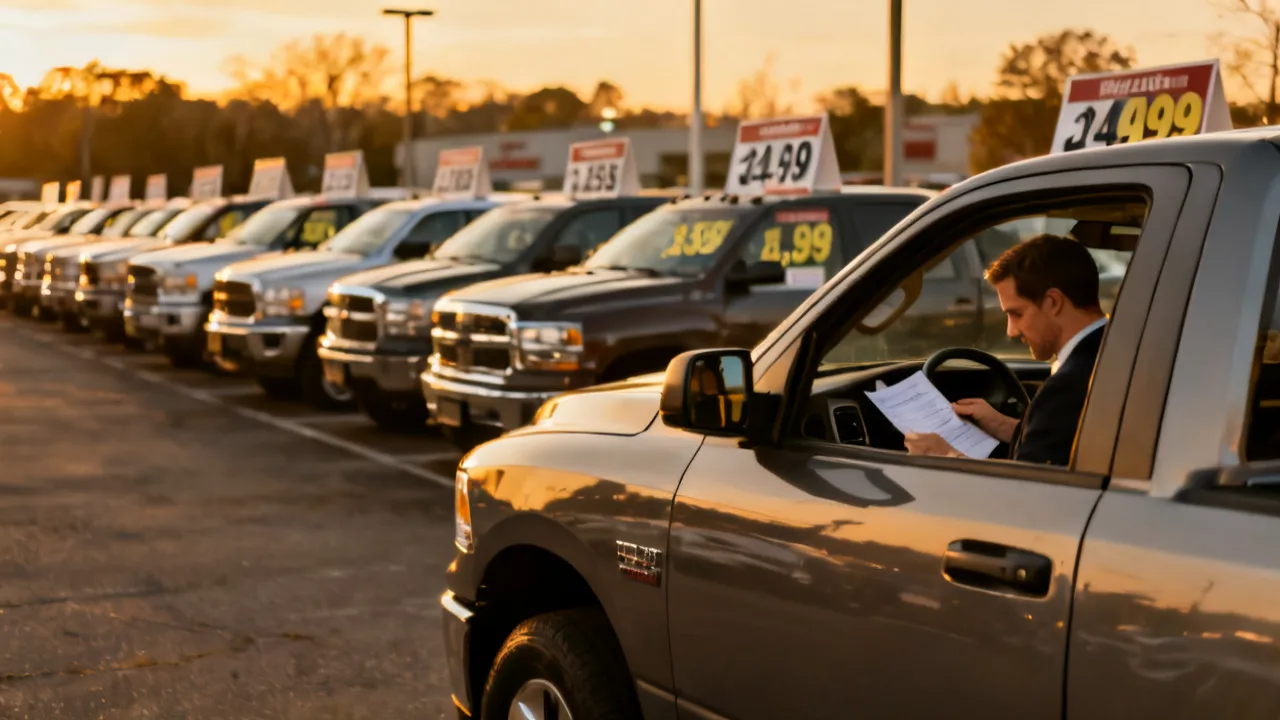
Trucks for Sale and Instalment: Smart Buying Guide
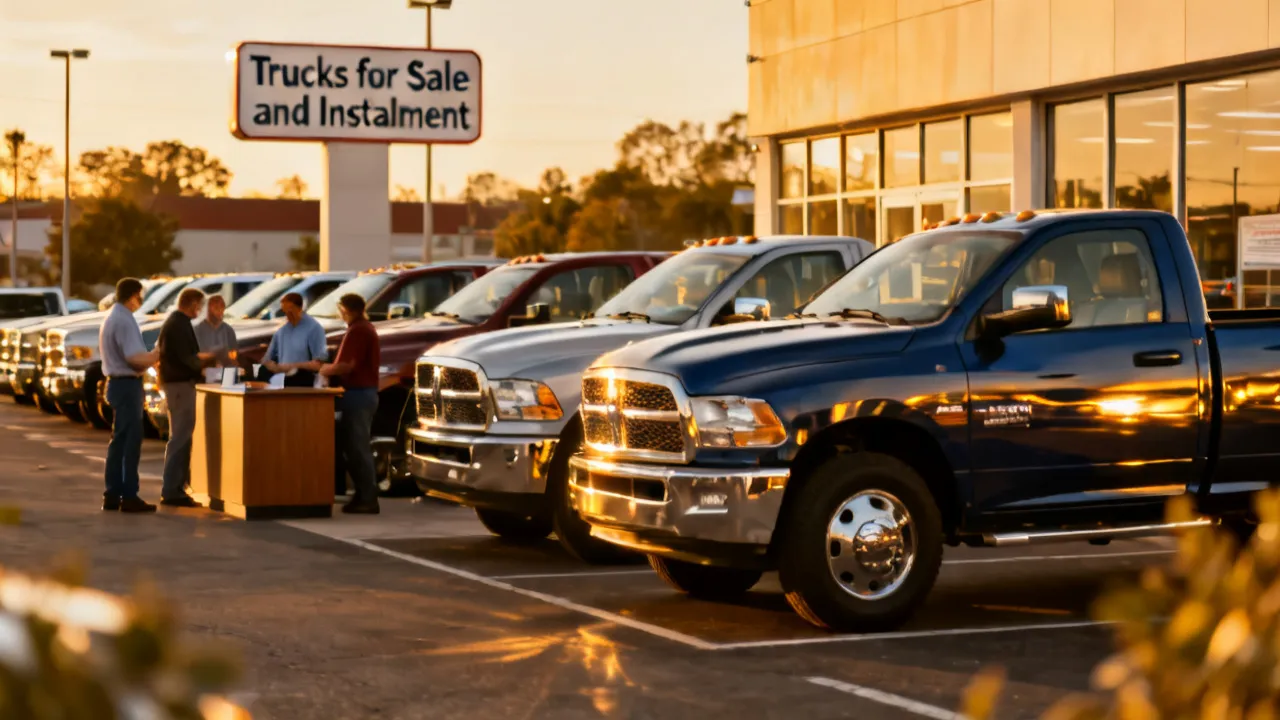
Trucks for Sale With Instalment Loan Options
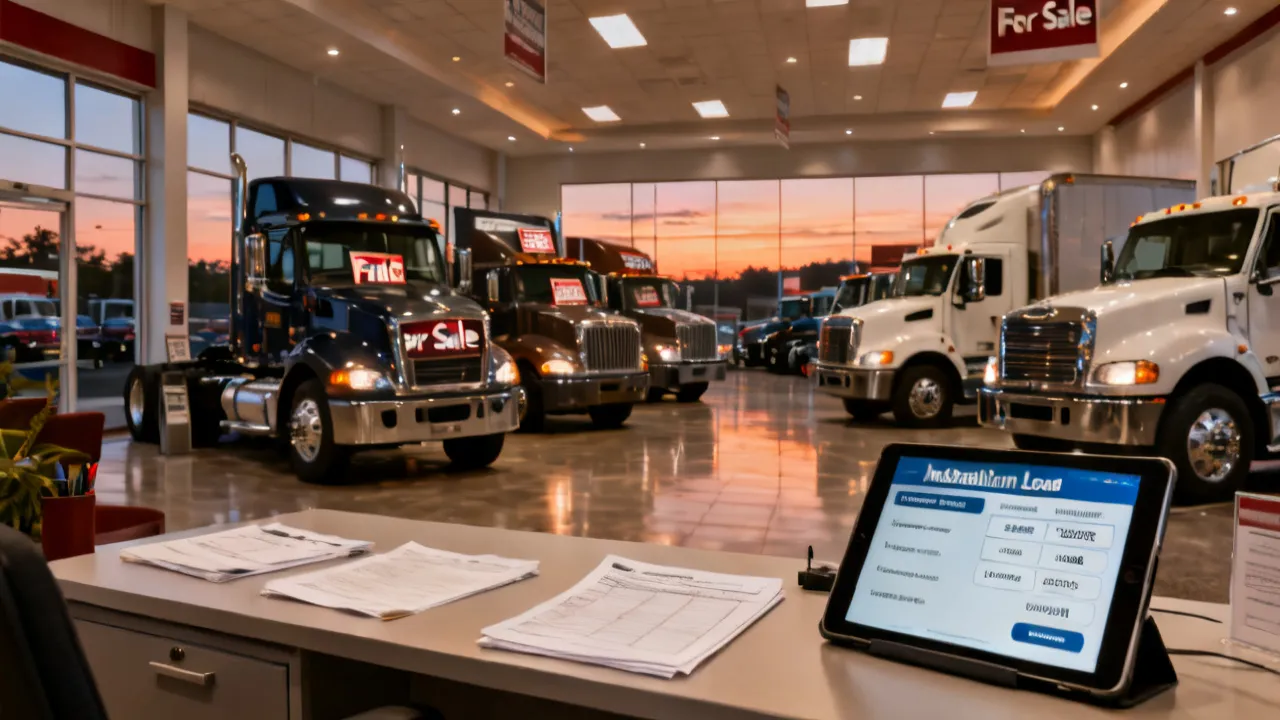
Buying Trucks for Sale and Instalment Responsibly
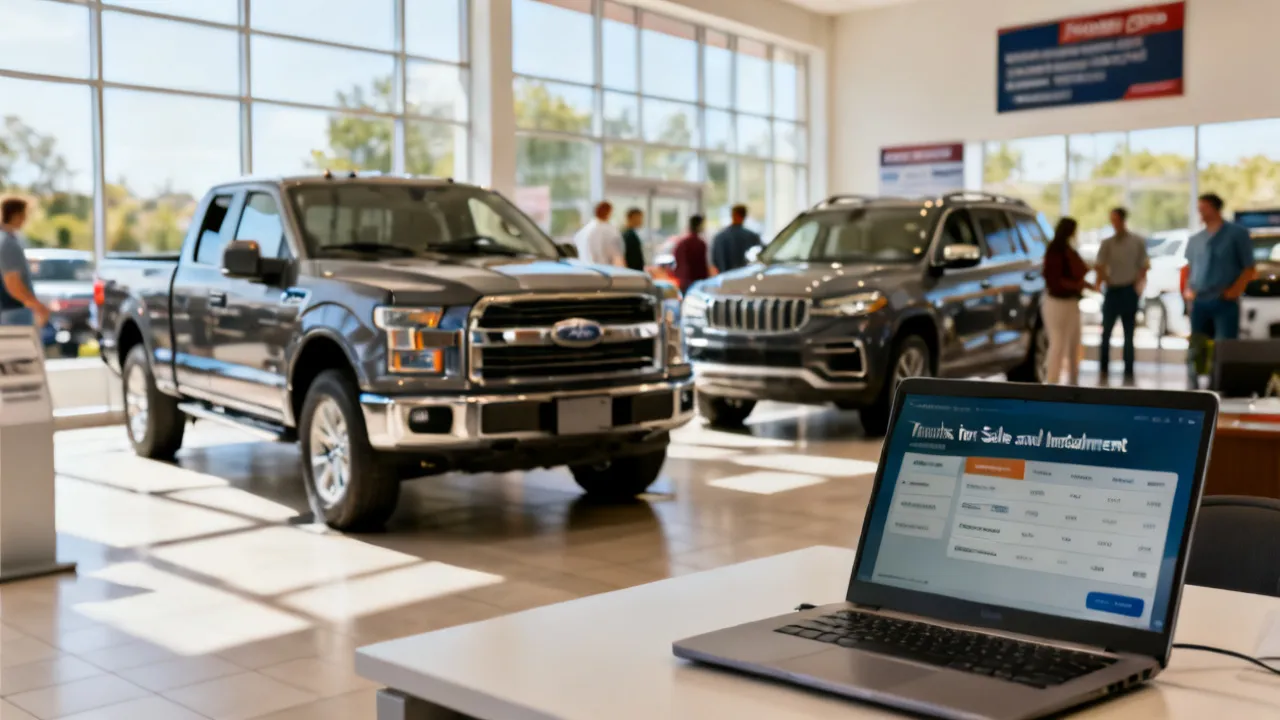
How to Buy Trucks for Sale with Instalments

Trucks for Sale with Installment Options
Choosing Trucks for Sale and Instalment Options
Trucks for Sale and Instalment: Buying Guide
How to Buy Trucks for Sale and Instalment

Trucks for Sale and Installment Buying Guide
Trucks for Sale and Instalment programs can make upgrading practical by spreading payments over time. This guide explains how installment deals work, what to check before signing, and how to compare listings from major official car trading platforms. It also offers an objective decision framework for finding a reliable truck at a fair total cost, including common documentation and eligibility needs.
Trucks for Sale and Instalment: Smart Buying Guide
Trucks for sale and instalment deals require more than choosing a model—buyers must understand total cost, credit fit, and the paperwork that makes monthly payments reliable. This guide offers an objective overview of how instalment plans typically work and how to compare options across major official car trading platforms. It also outlines practical steps for finding a good-value truck while managing risk.
Buying Trucks for Sale and Instalment Responsibly
This guide explains how to buy trucks for sale with instalment options while keeping choices practical and compliant. You’ll learn what to check before financing, how to compare offers across reputable marketplaces, and how to spot reliable deals. It also outlines a step-by-step approach to estimating monthly affordability, verifying vehicle history, and choosing terms from trusted official car trading websites—using objective guidance rather than hype.
How to Buy Trucks for Sale with Instalments
This guide explains how to find and buy trucks for sale with instalment options, focusing on practical selection, financing readiness, and cost control. “Trucks for Sale and Instalment” reflects a common pathway for commercial buyers who want access to reliable transport without paying the full amount upfront. Background context covers how online marketplaces, dealer inventories, and credit qualification typically shape availability and total ownership cost.
Trucks for Sale with Installment Options
This guide explains how to find trucks for sale and instalment plans, compare reputable listings, and estimate total costs before committing. It begins with objective background on keyword concepts—dealer inventories, financing structures, and eligibility factors—then moves to practical steps for spotting dependable offers, narrowing choices, and completing paperwork with confidence using established car trading platforms.
Trucks for Sale and Instalment: Buying Guide
This guide explains how to find Trucks for Sale and Instalment options and secure a practical repayment plan without overextending your budget. It objectively reviews what “instalment” financing typically involves, outlines how major official car-trading platforms list inventory, and shows how to compare total cost, eligibility, and vehicle condition using a structured checklist grounded in established retail practices.
